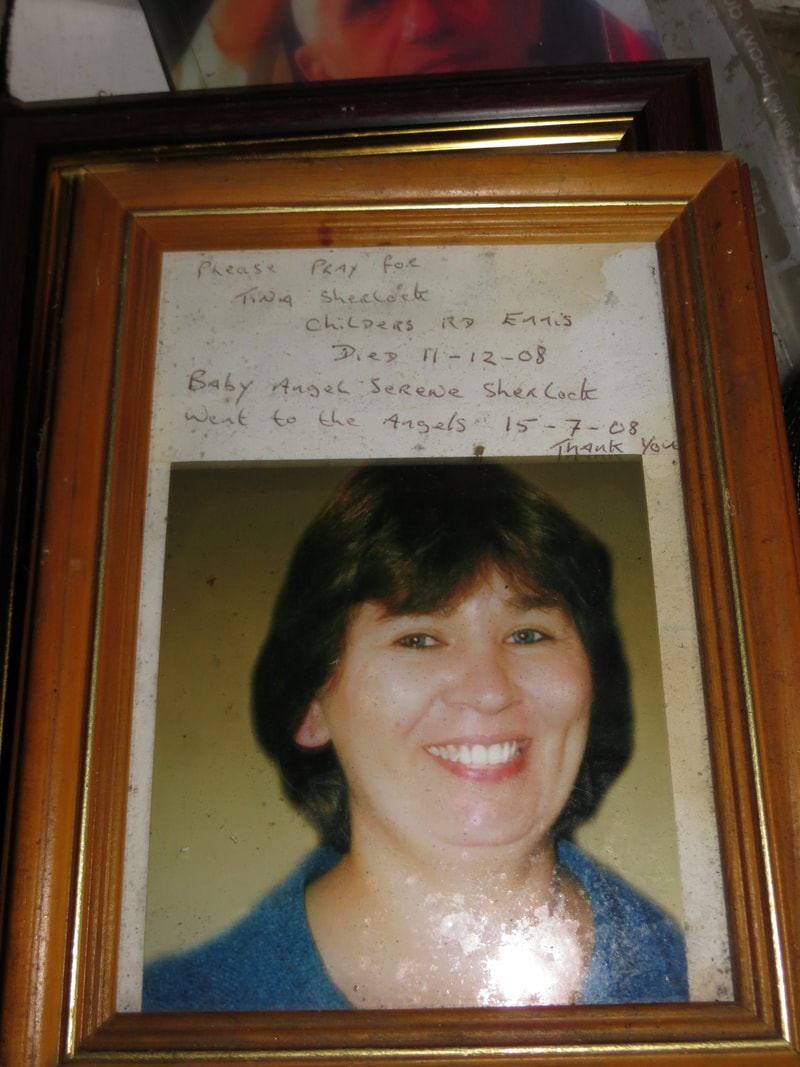
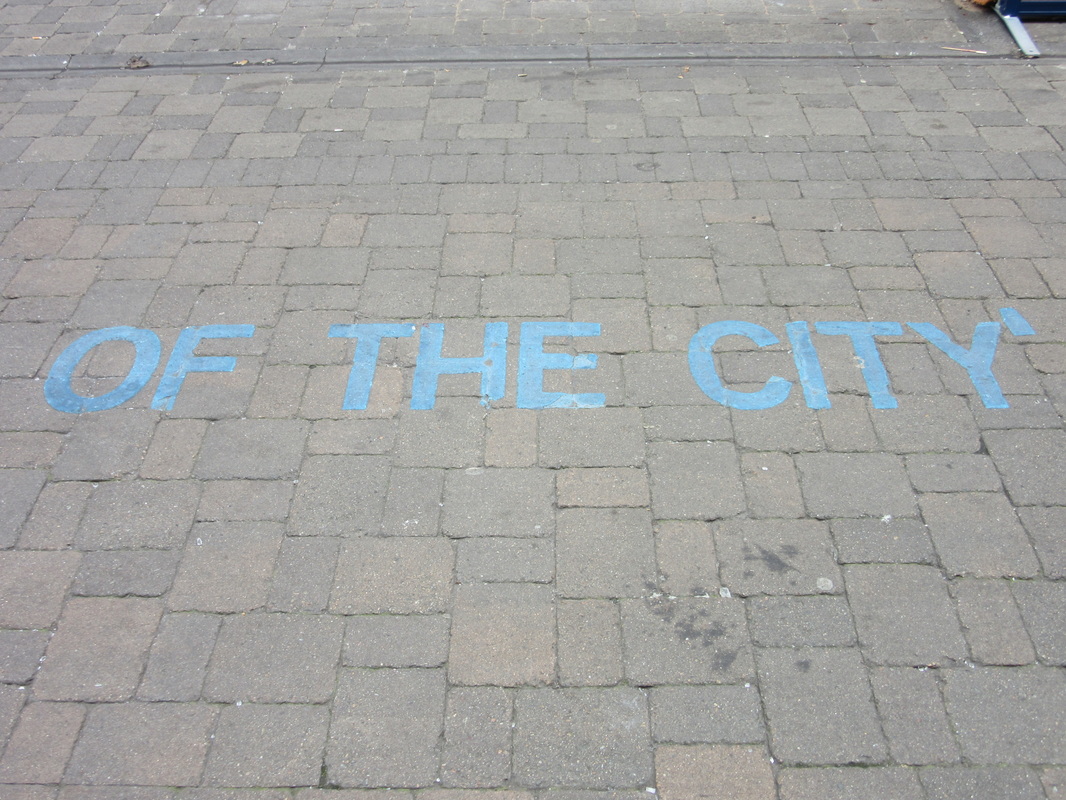
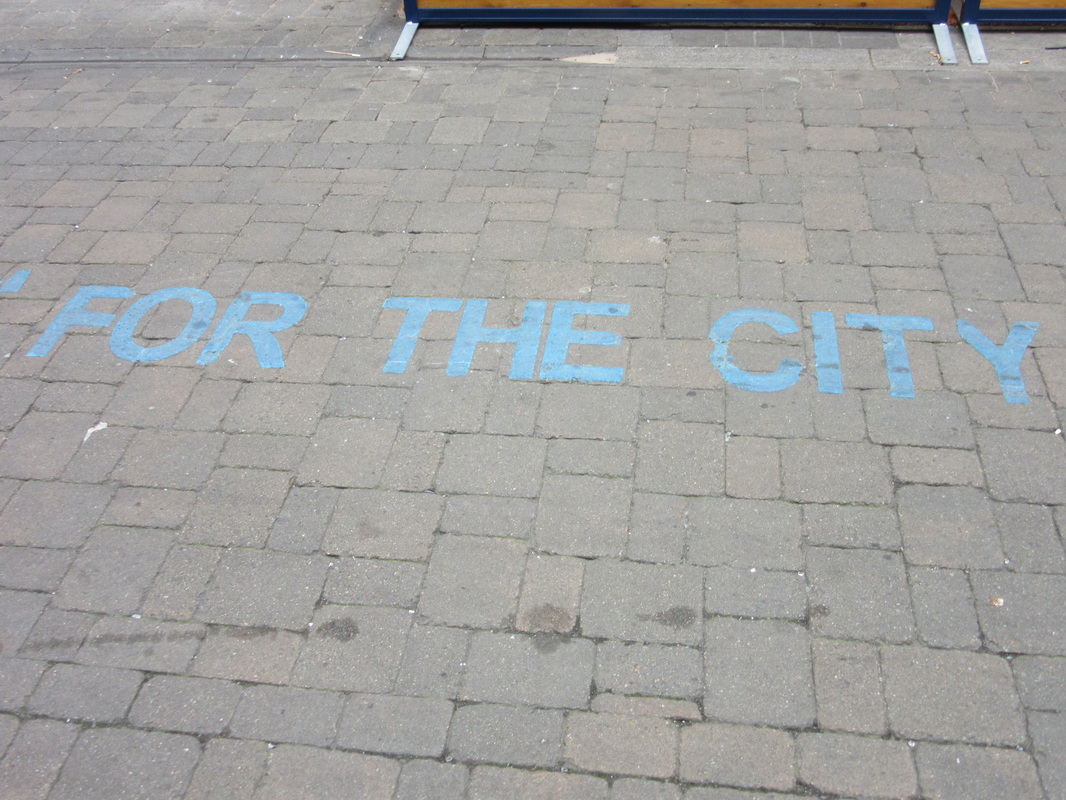
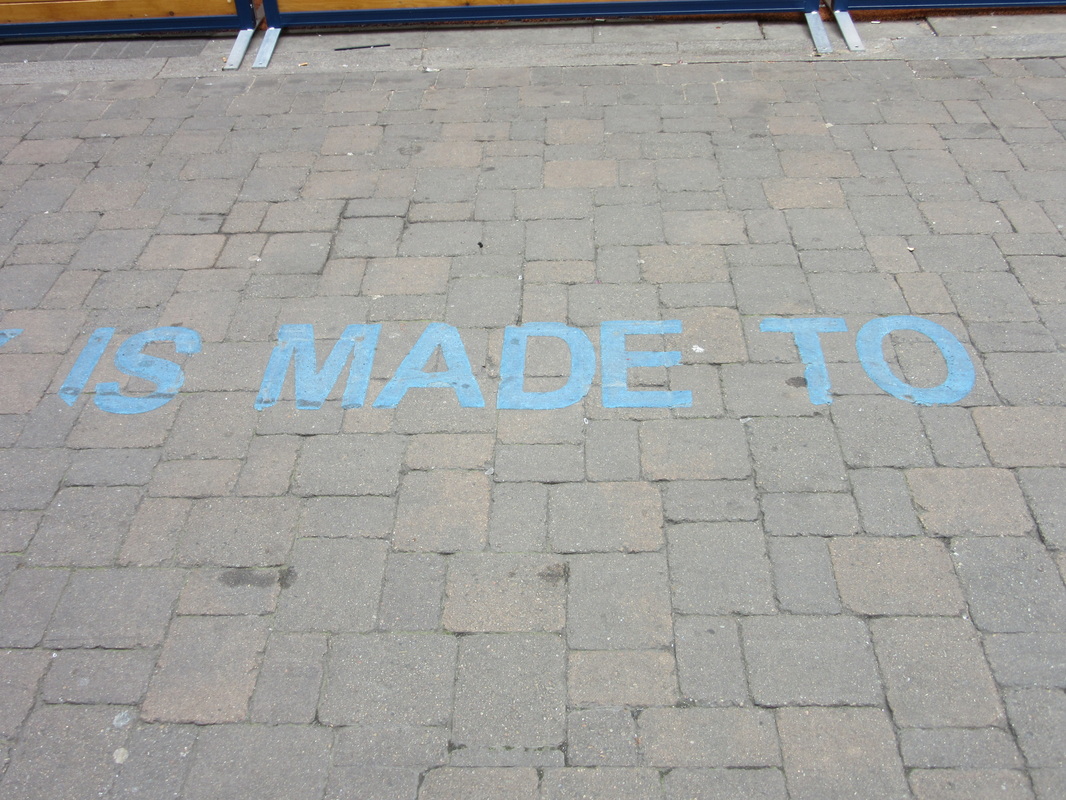
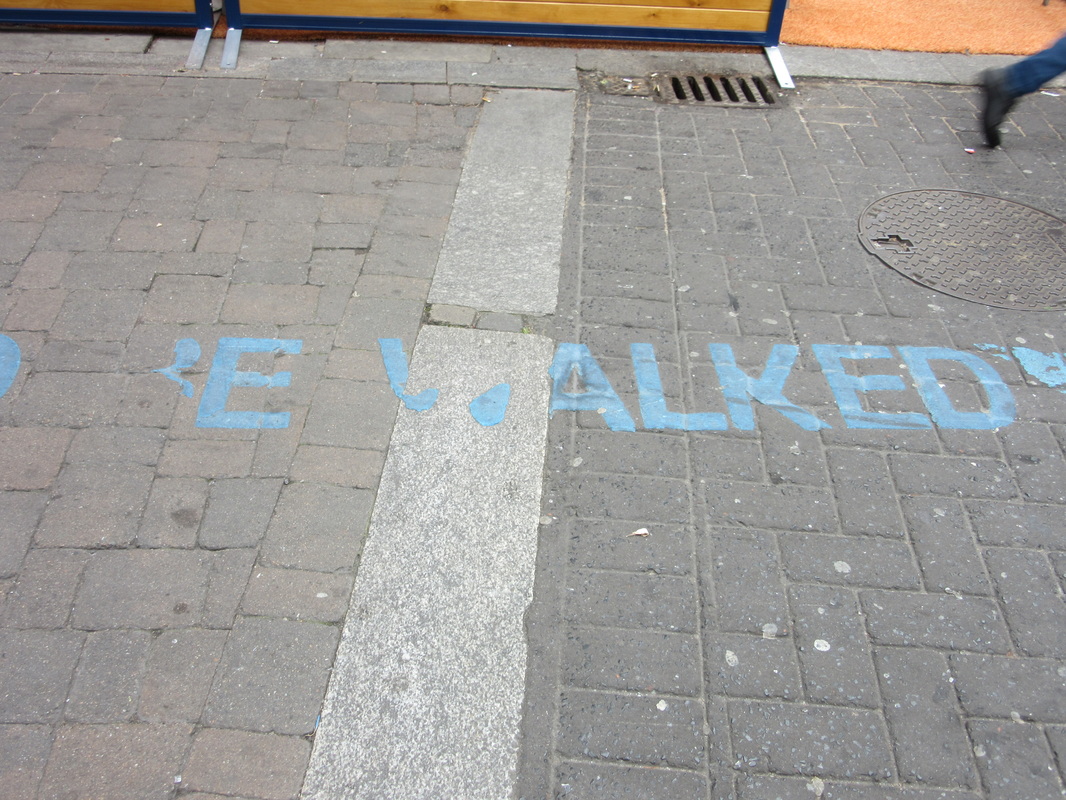
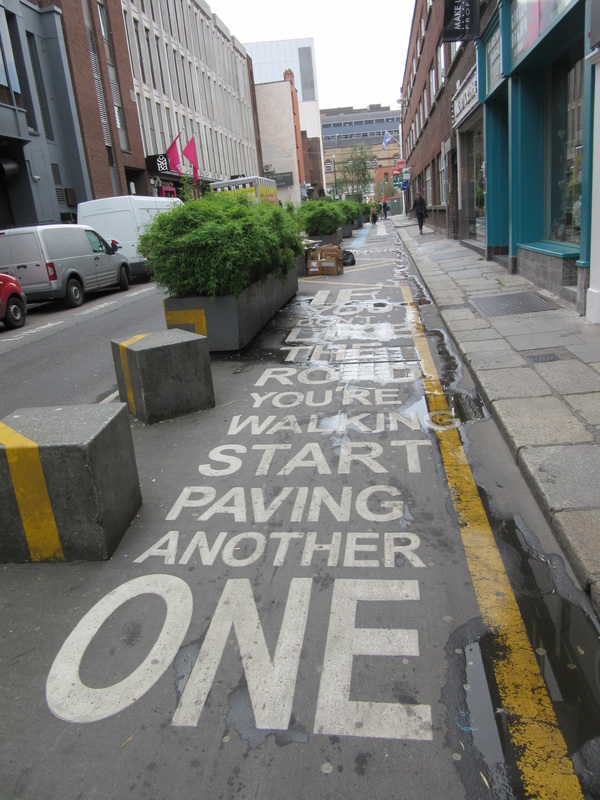
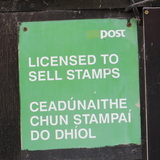
| I am fairly sure that the alarm was not set. I just woke early to study InterCert maths. I turned on the radio and heard the news. Forty-five years ago today. | |
|
0 Comments
The Same – But Different One from my Twitter Bookmarks
I have been going through the bookmarked posts in preparation of exit from the platform and this post from BUCHANAN: Dublin Time Machine brought to mind a similar plaque from December 2017. December 2017 was when Home Sweet Home campaigners took over Apollo House on Poolbeg Street – before the High Court ruled that it was to be vacated in January. The Vulture Republic plaque was fairly prominent on social media at the time. The National Children’s Hospital commemoration plaque has not been as often observed by my eyes. I expect that it will be as short lived as the Vulture Republic – both classics. Yesterday was the 23rd anniversary of the crash of flight AA587. A Bluesky post from Christopher P. Hood linked to his article on the memorial and the crash. I have spent some time online looking at different images of the memorial and the commemoration events. The memorial has gone on my TO VISIT map – not sure I’ll ever get to New York again, but it is on the map just in case. However, it is the apparent random order of the names recorded on the memorial which has me intrigued. It sent me on a little investigation that will no doubt lead to much more time and episodes of Dark Tourism, particularly commemoration of transportation crashes. Rockaway Memorial Park – Flight AA587 Appears that there is a random order of names of the dead. Buttevant Train Crash – 1st August, 1980 The names of the 18 who died are not listed alphabetically – a random order. Pan-Am Flight 1-10 – 15th April, 1948 Grave at Drumcliffe, Ennis lists the passengers in alphabetical order but the crew in a seniority ranking ‘Frank Carl Jakel, aged 35, Captain Pilot, married, from New Hyde Park, New York Aer India Flight 182 – 23rd June 1985 Passengers are listed on the memorial at Ahakista in alphabetical order. The 22 crew are not listed alphabetically. The New York Times printed the job of each crew member. Putting them in the order of the memorial does appear to signify a grade ranking system – similar to Pan-Am NARENDRA. H. S., captain Non-Transportation Disasters
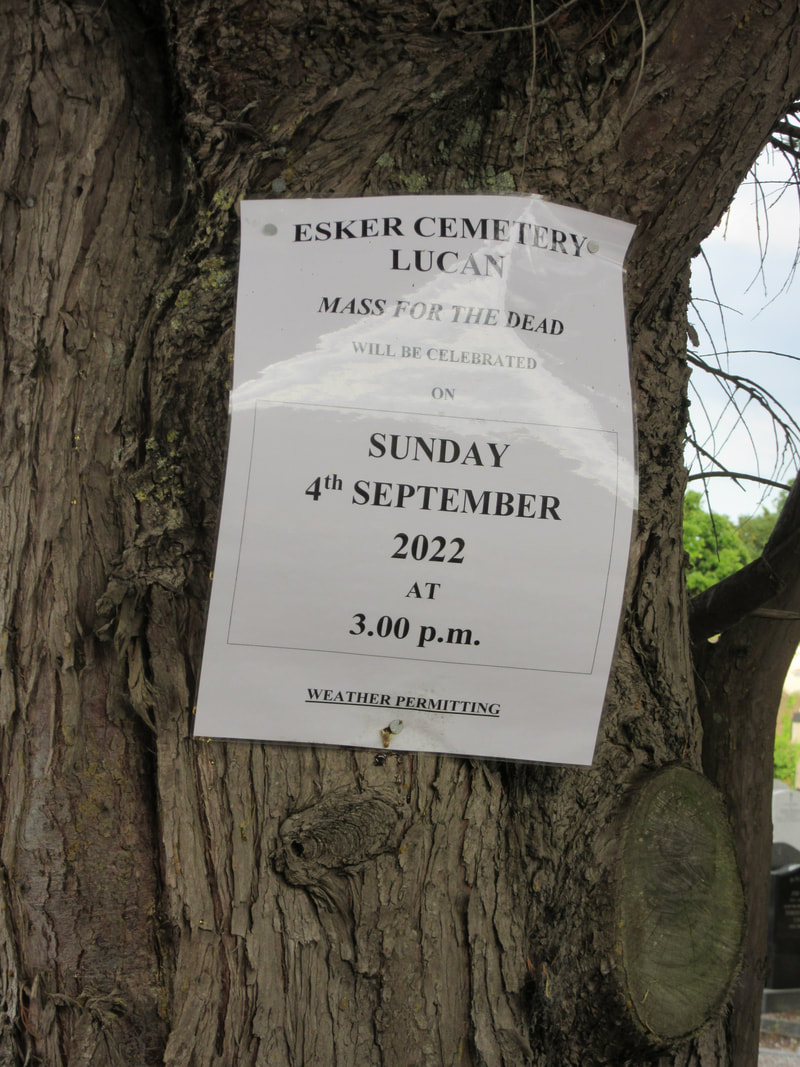
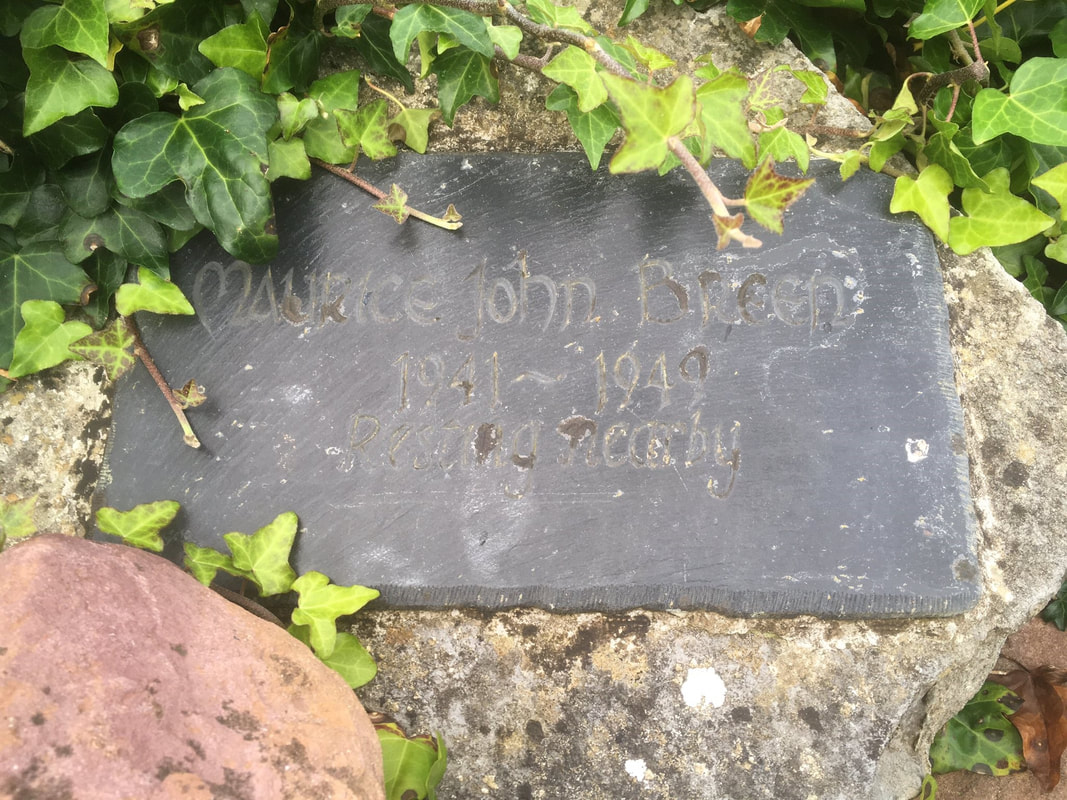
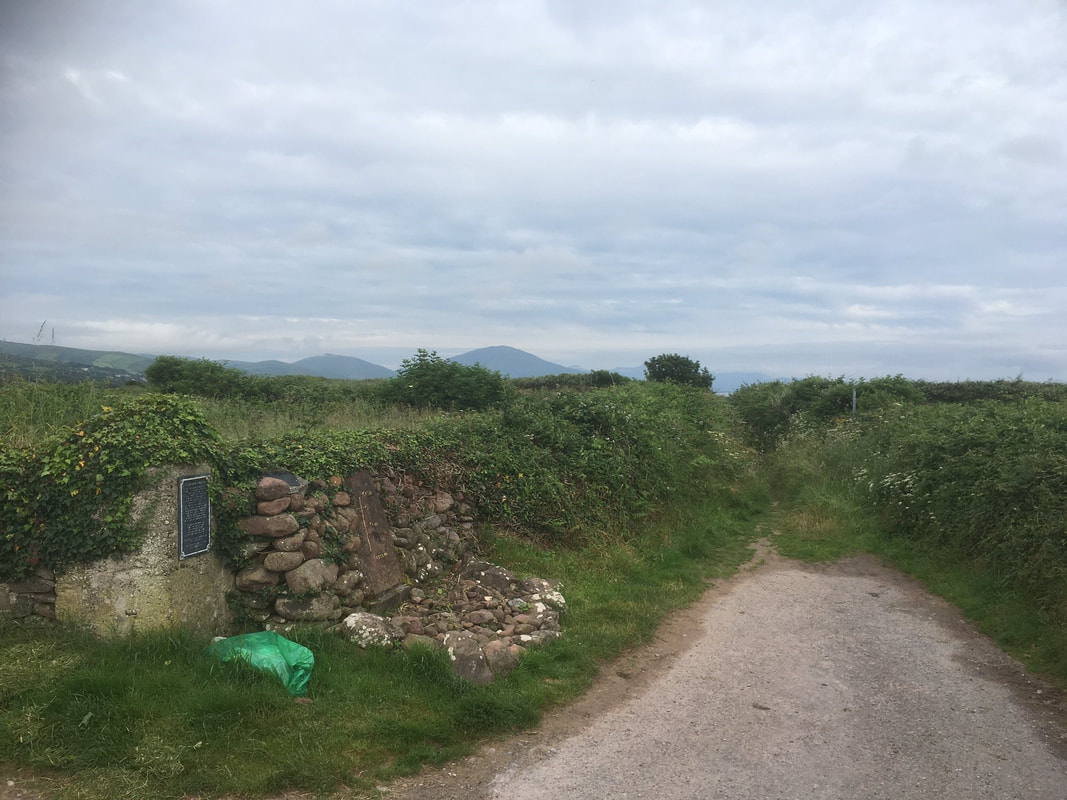
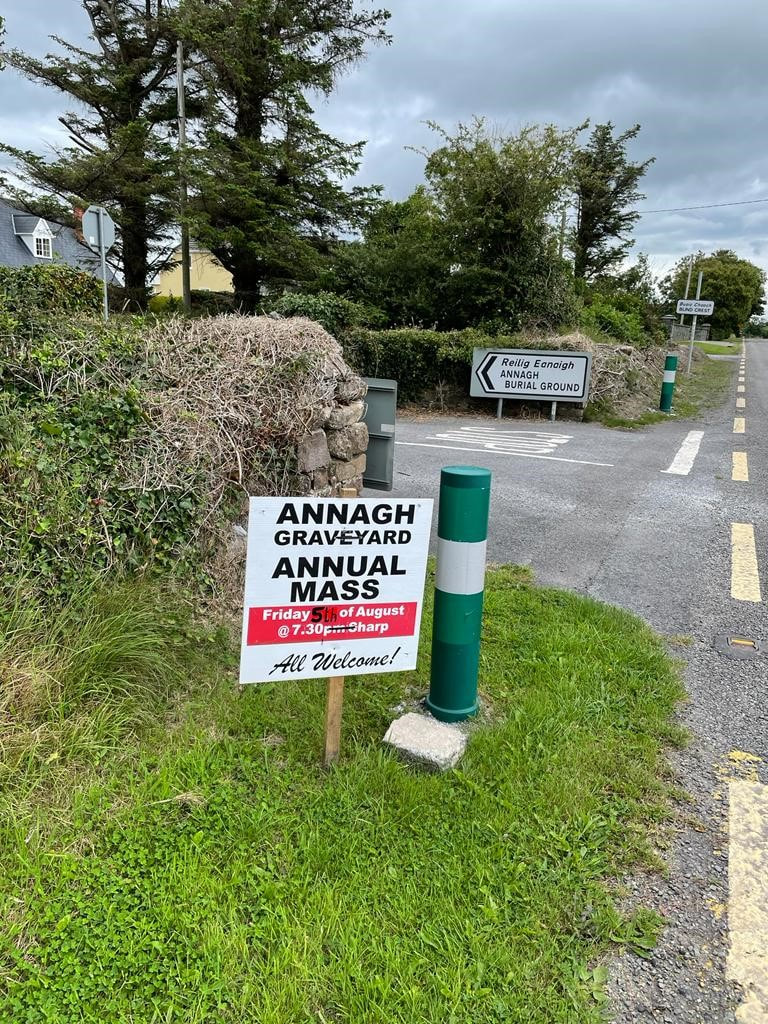
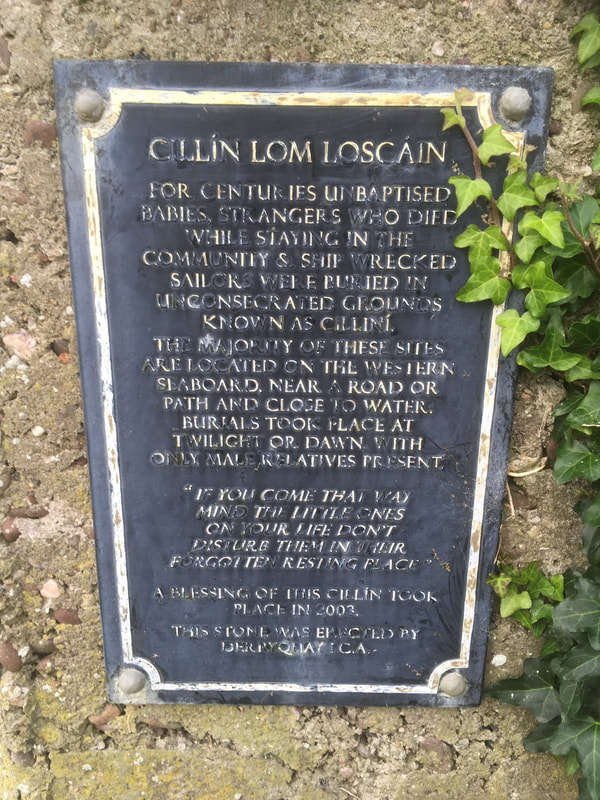
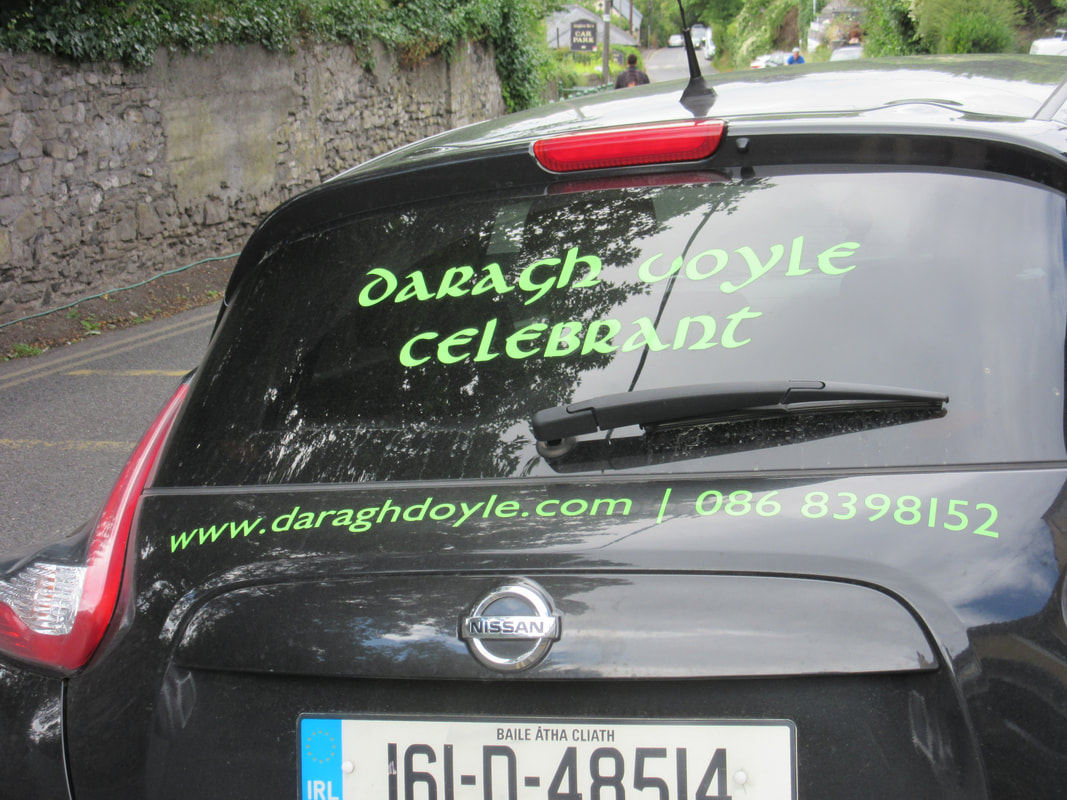
The various memorials to those who died at Hillsborough; as well as those to the Stardust and the Dromcollogher Cinema Fire all appear to list in alphabetical order. Hopefully my sample size for this study will increase with visits over time. Real estate matters - even in burial I have spotted a couple of signs at cemeteries, recently, giving notice of upcoming Mass for the Dead. My recollection is that elsewhere these were held in October/November close to All Souls Day. I have blogged before as to Cillíní throughout the country being recognised. The Radio Kerry Saturday Supplement from last year visited the Cillín at Derrymore and it was said that there is an annual mass for those buried in the Cillín (05:20 minutes in) but this is the only reference that I have seen so far to such remembrances, the majority of Cillín are not recognised, let alone commemorated with a mass………. So far. P.S. The number of Cillíní on my To Visit list is increasing: Would be delighted to hear of any more Cillín - marked or unmarked - please do contact I was this age old when I first saw marketing for a wedding celebrant Maybe it is a factor of my age and upbringing with weddings generally celebrated by priests, I never saw competition between priests for the next gig. I am not the target audience for the branding – luckily for the Celebrant as unsure if it sits well. Maybe there is no such thing as bad publicity
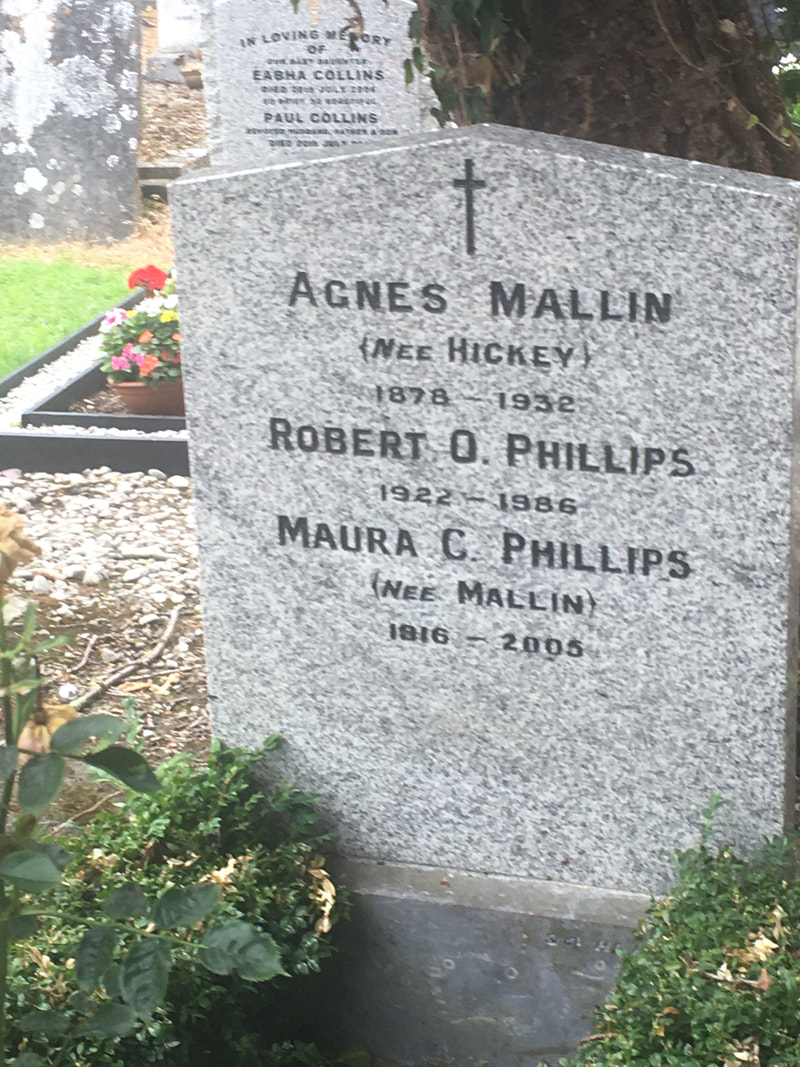
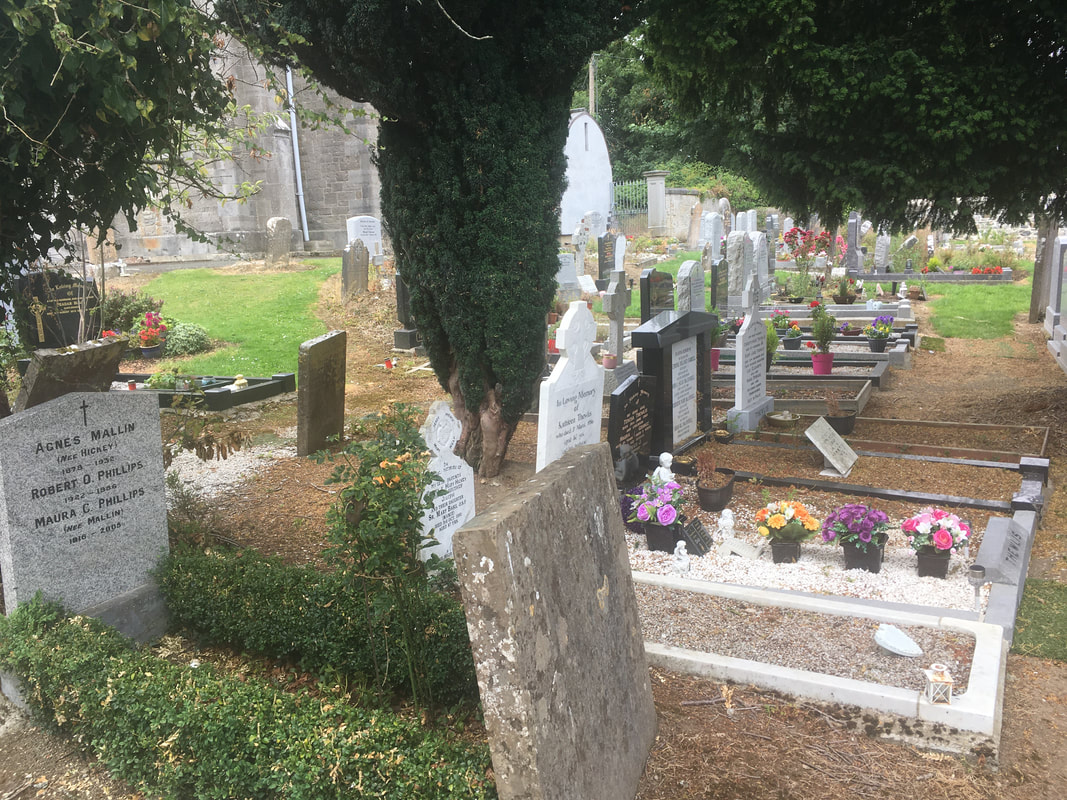
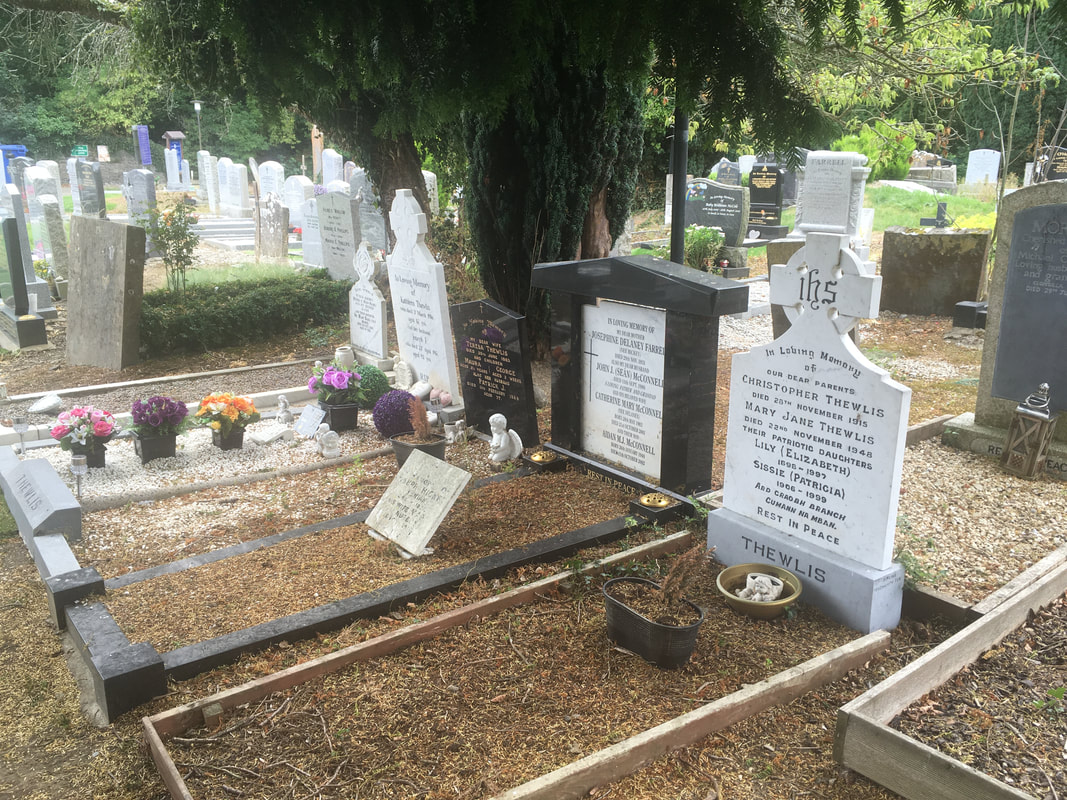
Agnes Mallin – “My darling wife, pulse of my heart, this is the end of all things earthly…”28/7/2022 Once again, a headstone’s simple carved message does not tell the full story Last Sunday afternoon, I declined the option of a few hours in Blanchardstown Shopping Centre and exited the car at St Mary’s Church in Clonsilla. My intention was to look for the seven graves that had a request for a photograph on the FindAGrave website. I did manage to find six of the seven. It was only when uploading the photograph of the headstone of Agnes (Hickey) Mallin that I spotted her family tree and her much more well-known husband. Two days prior, we had a great tour of Kilmainham Gaol – highly recommended. It was only with time pressing at the end of our walk around the museum that I cam upon the Last Words exhibit – letters from those executed in Kilmainham in 1926 to their family and loved ones. I did stop at the section to Muriel McDonagh but did not really read any of the others. If our visit to Kilmainham was two days after the cemetery visit, maybe I might have clicked and stopped to read of Agnes, rather than reverting to the interweb.
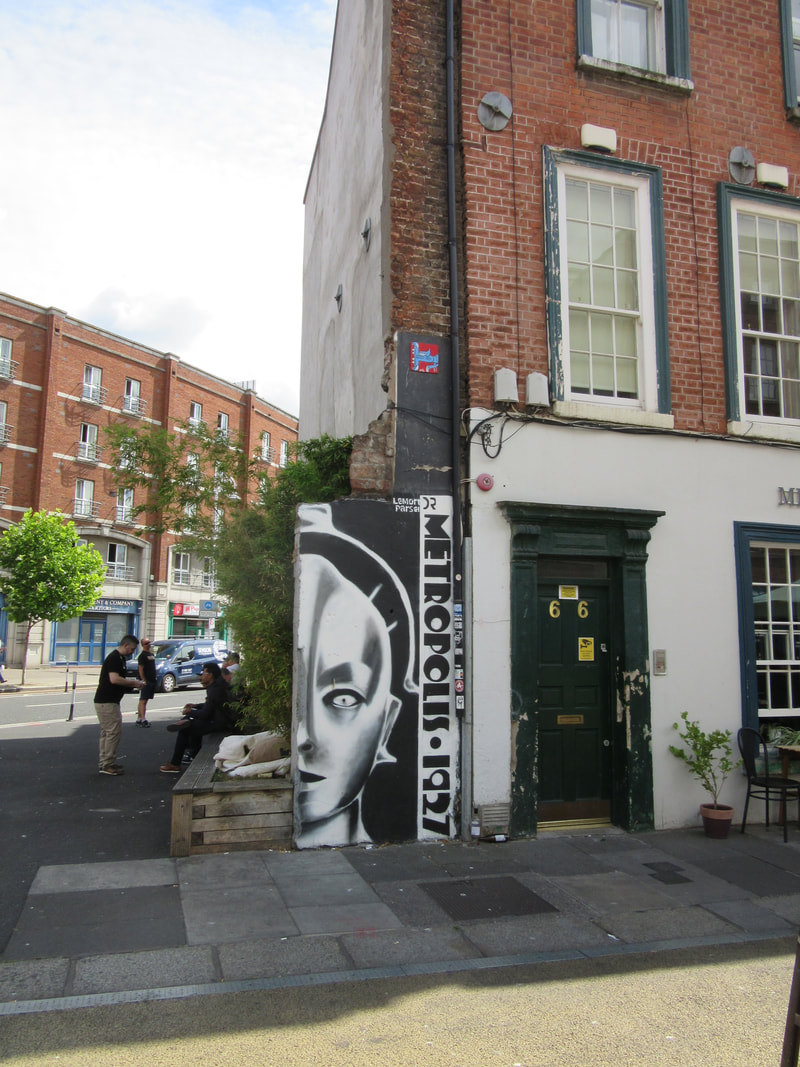
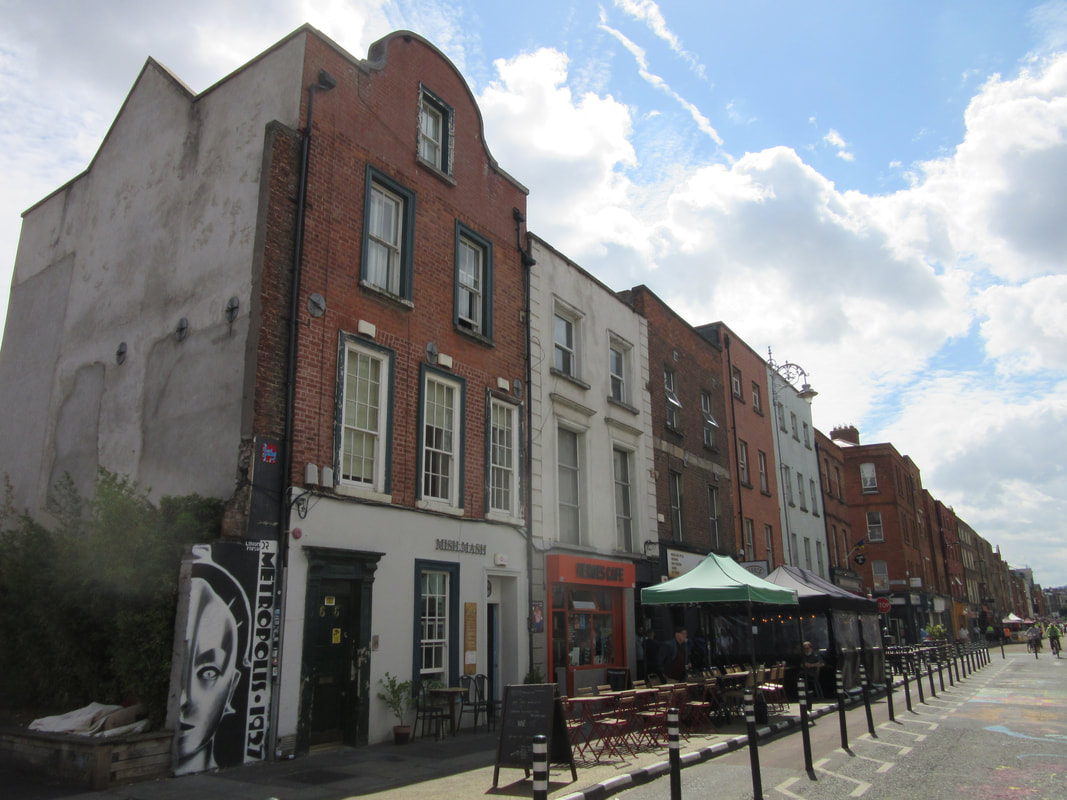
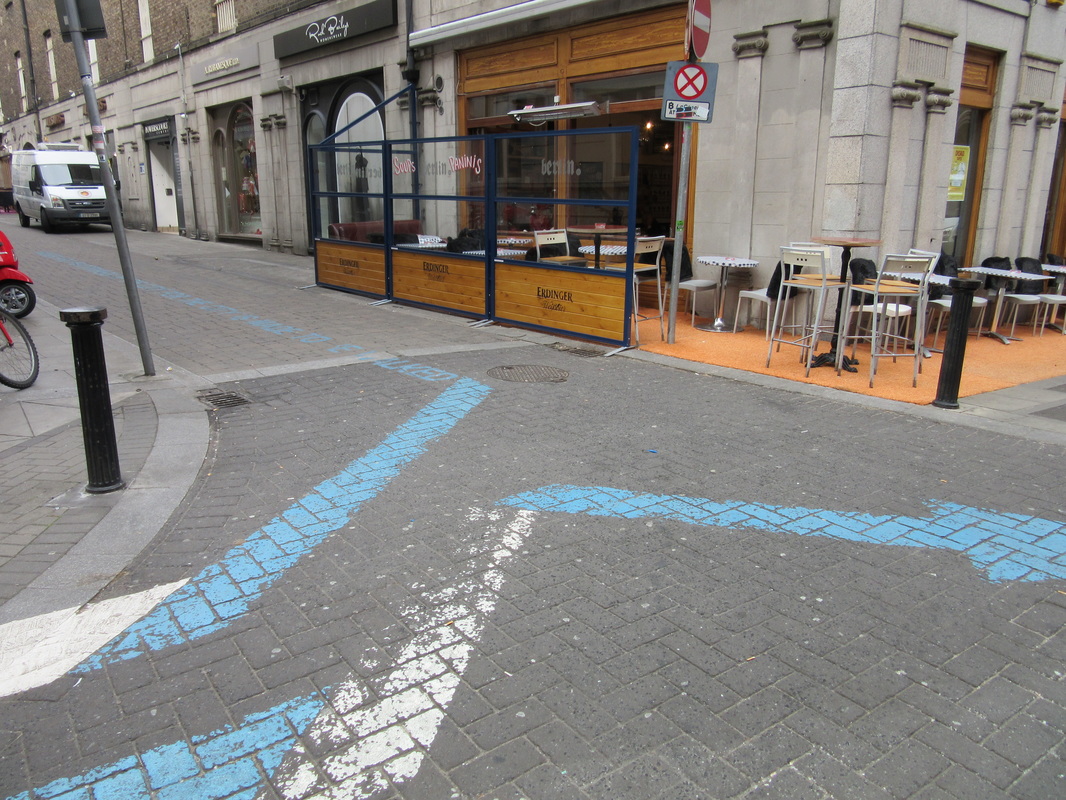
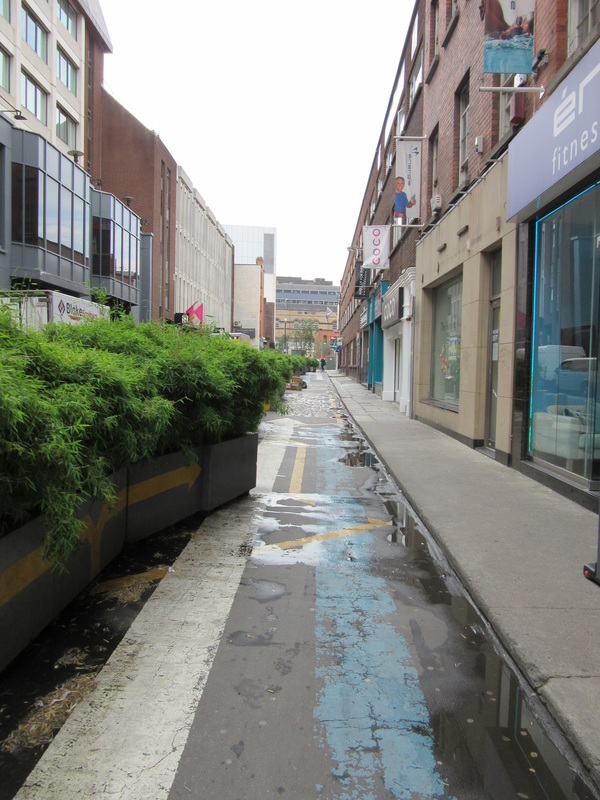
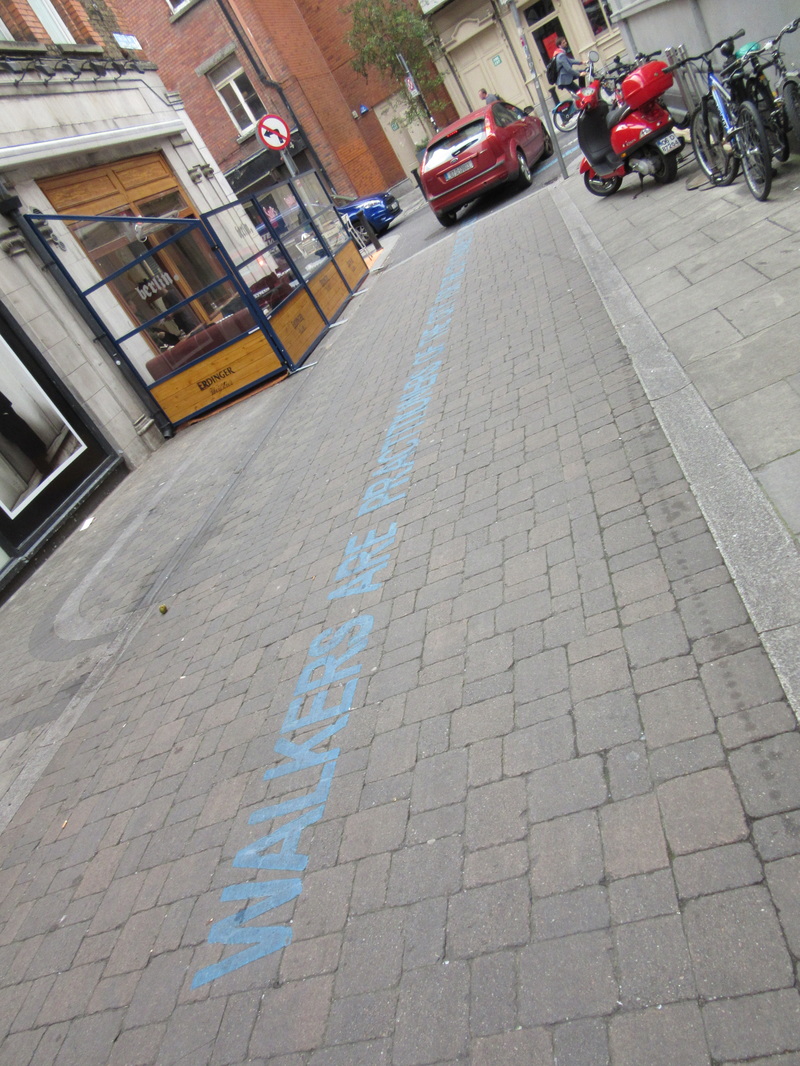
Last week had me in Capel Street in Dublin which has an eclectic mix and is much changed from my college days.
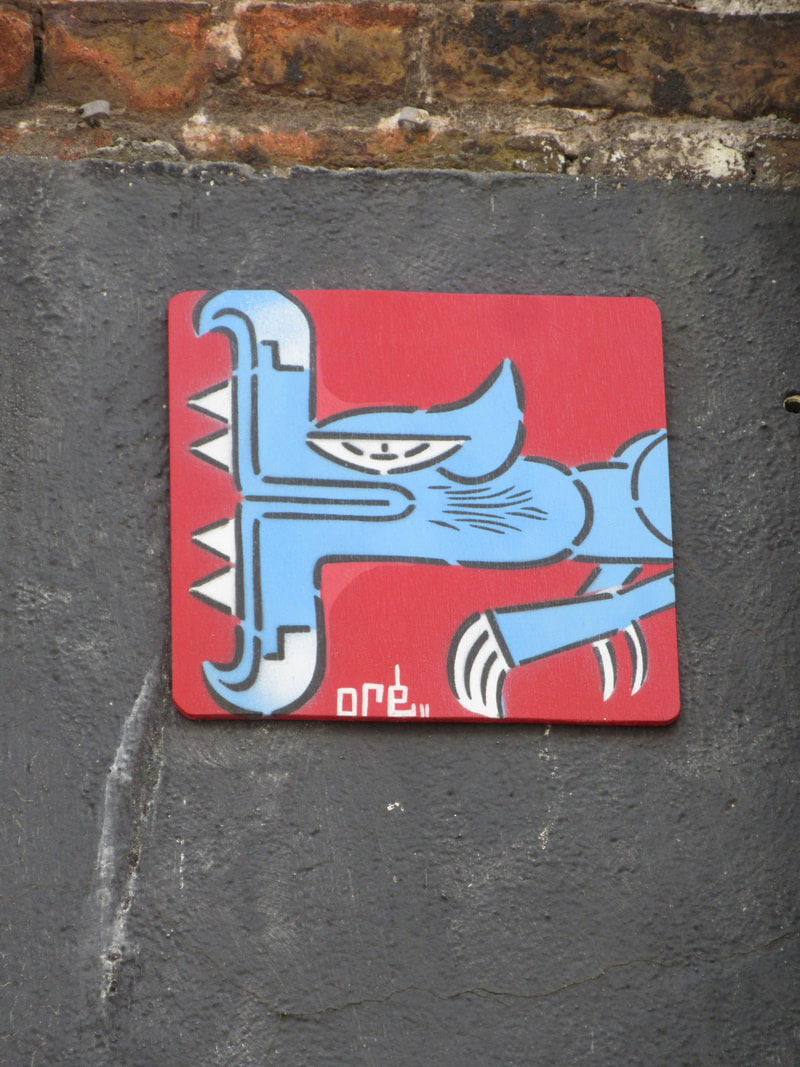
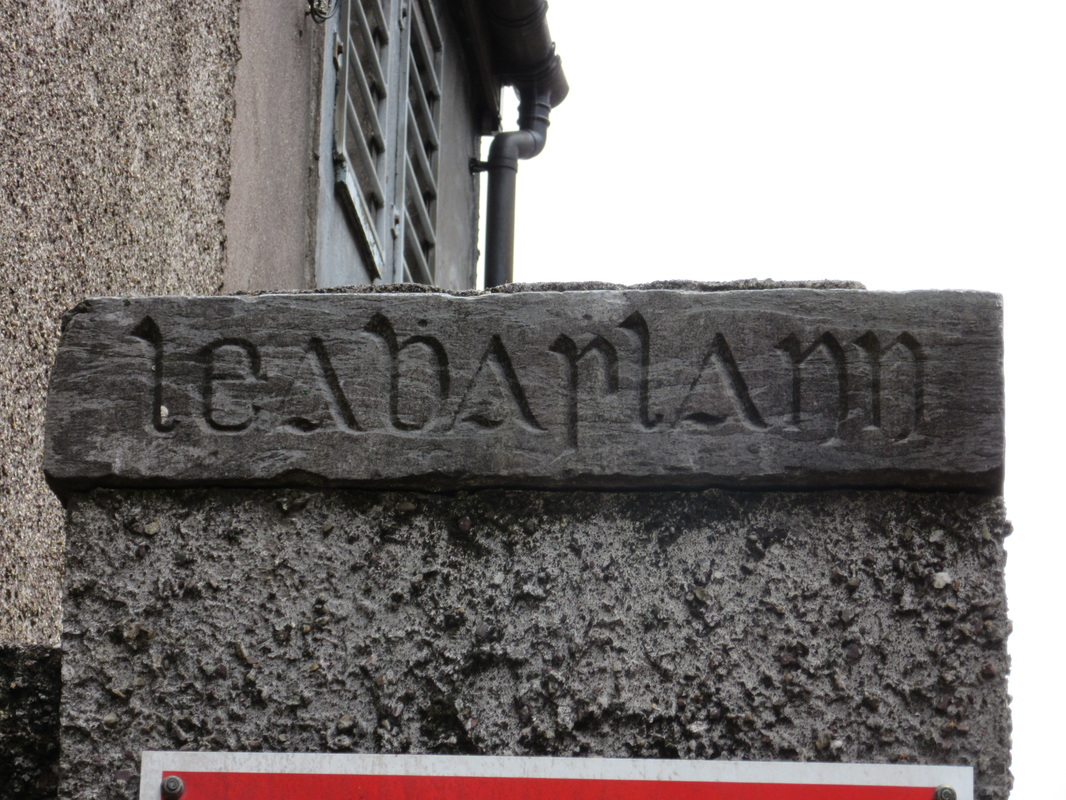
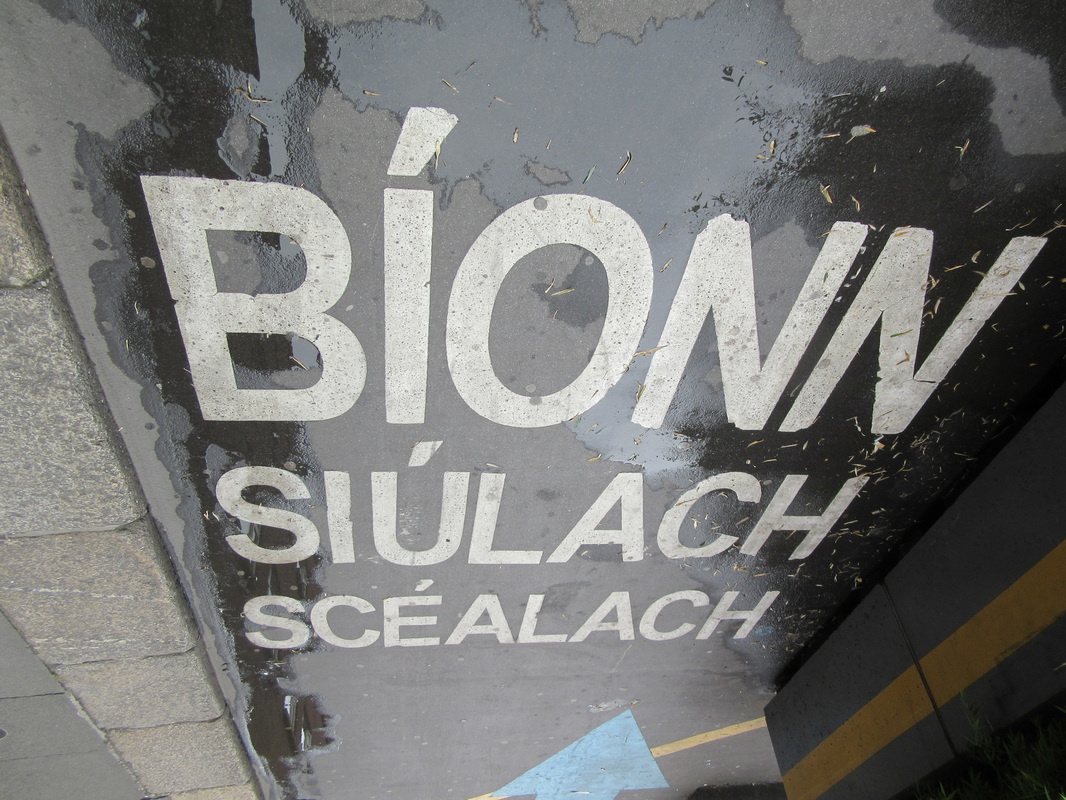
And there I spotted another art installation by Oré. It was a few years ago that I learnt of the artist but it has taken those years for me to spot another. I am reasonably well used to seeing letters reversed.
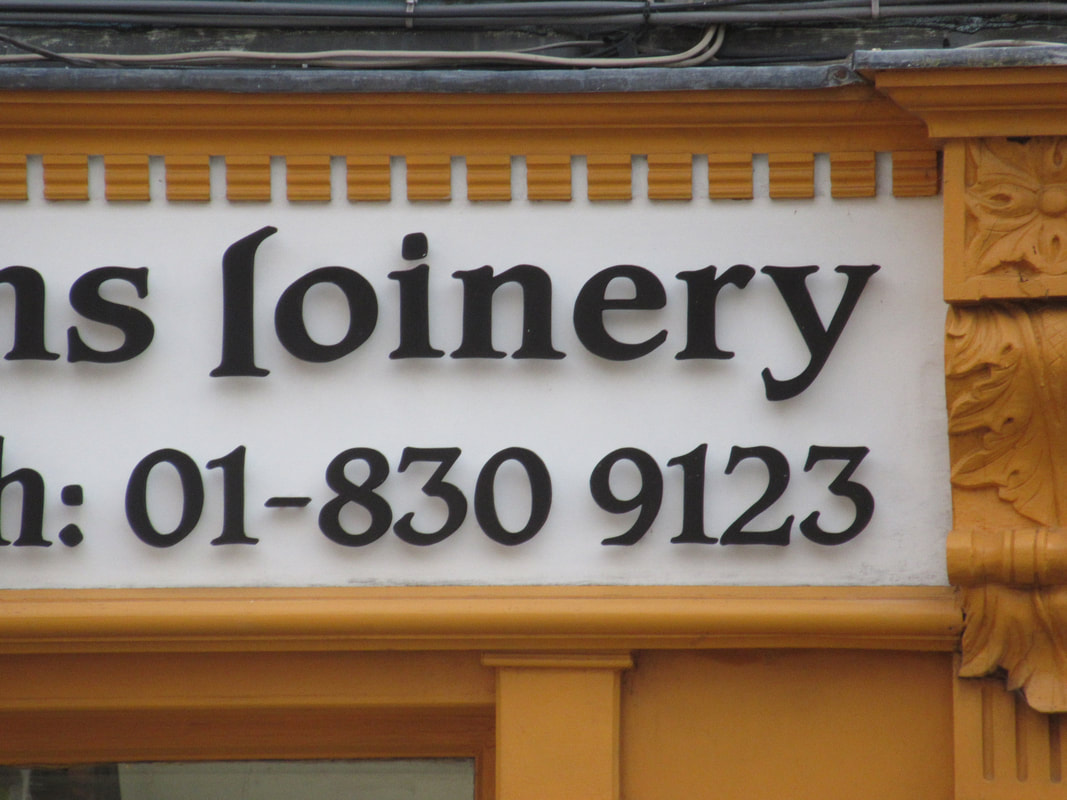
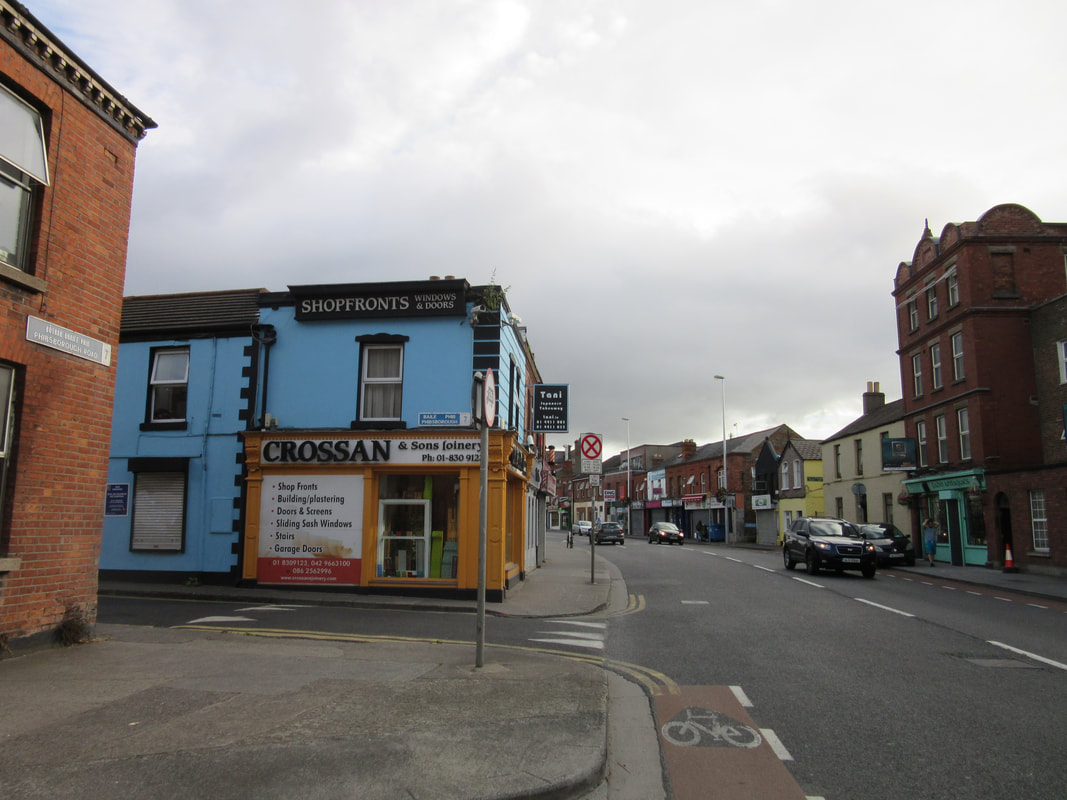
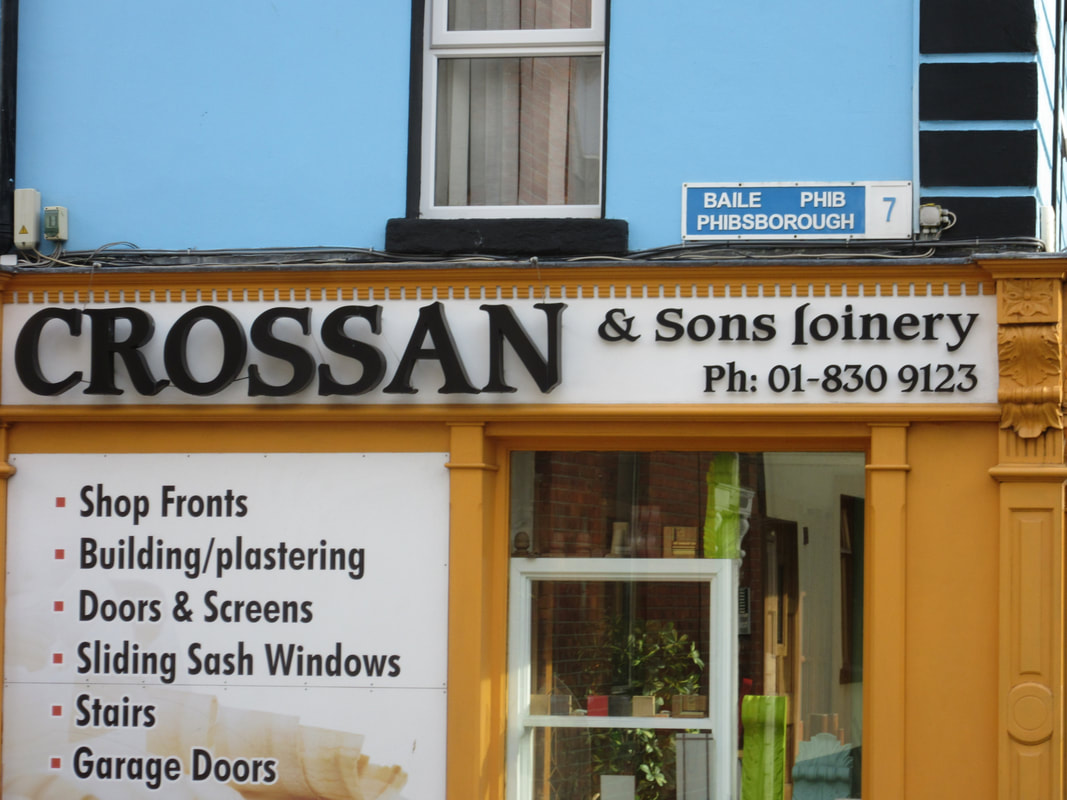
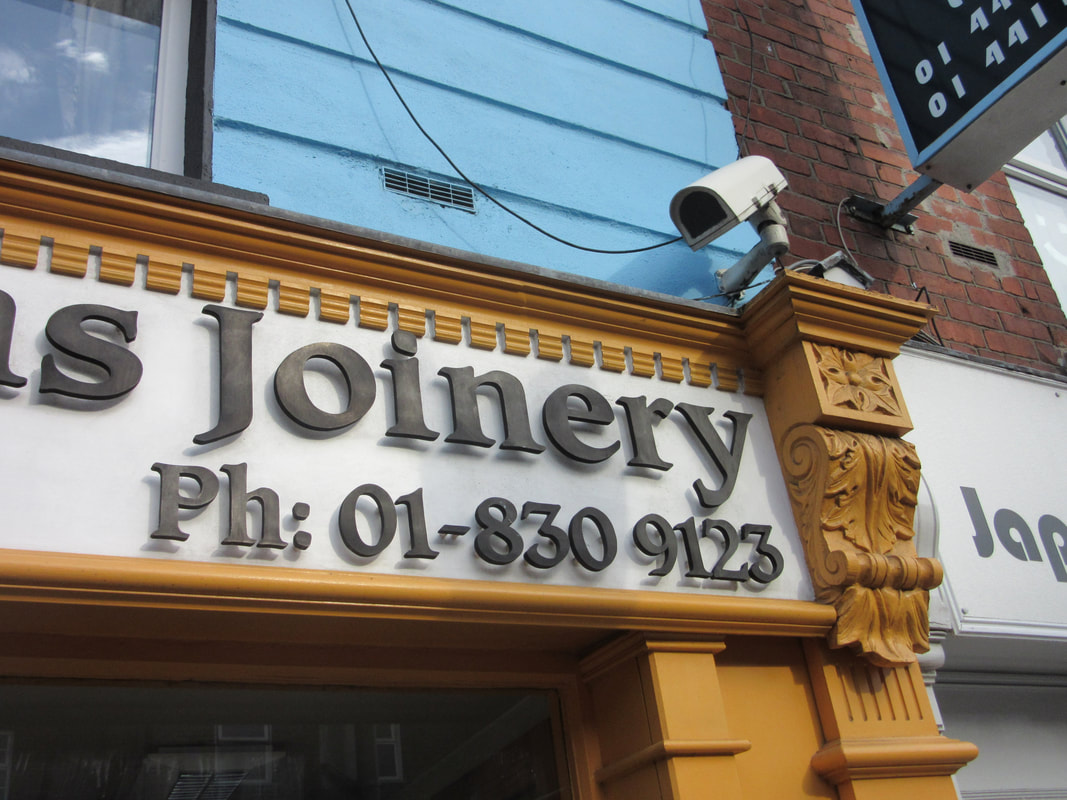
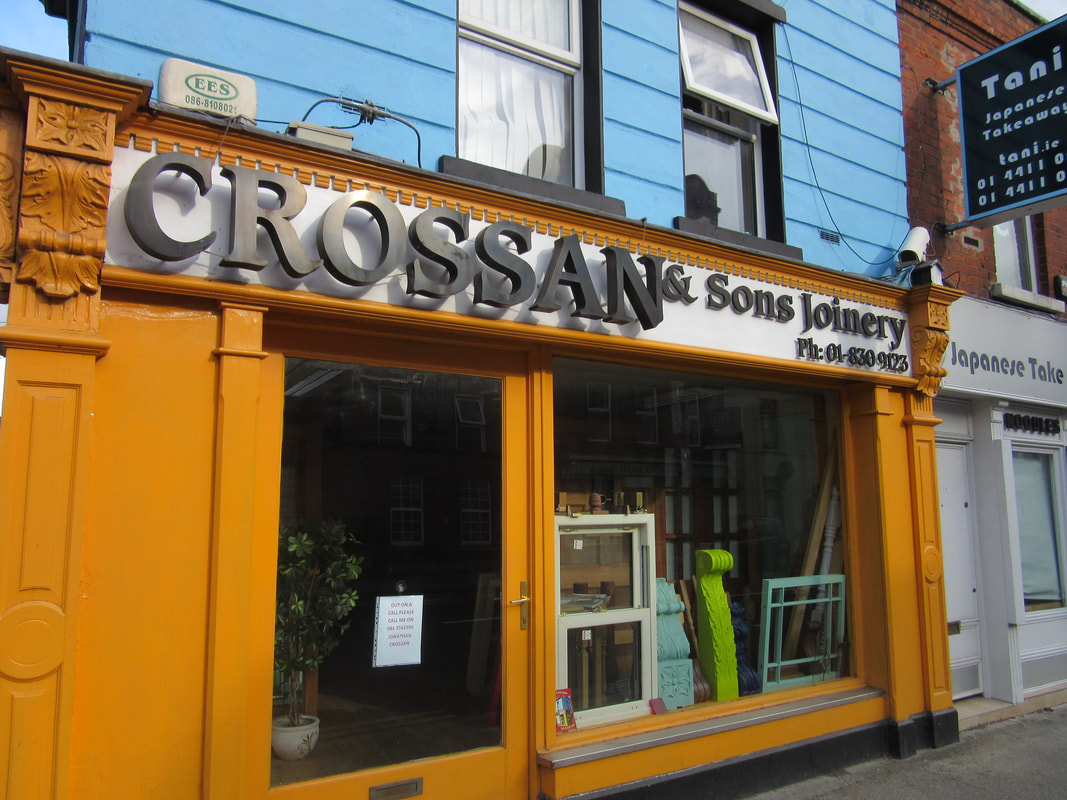
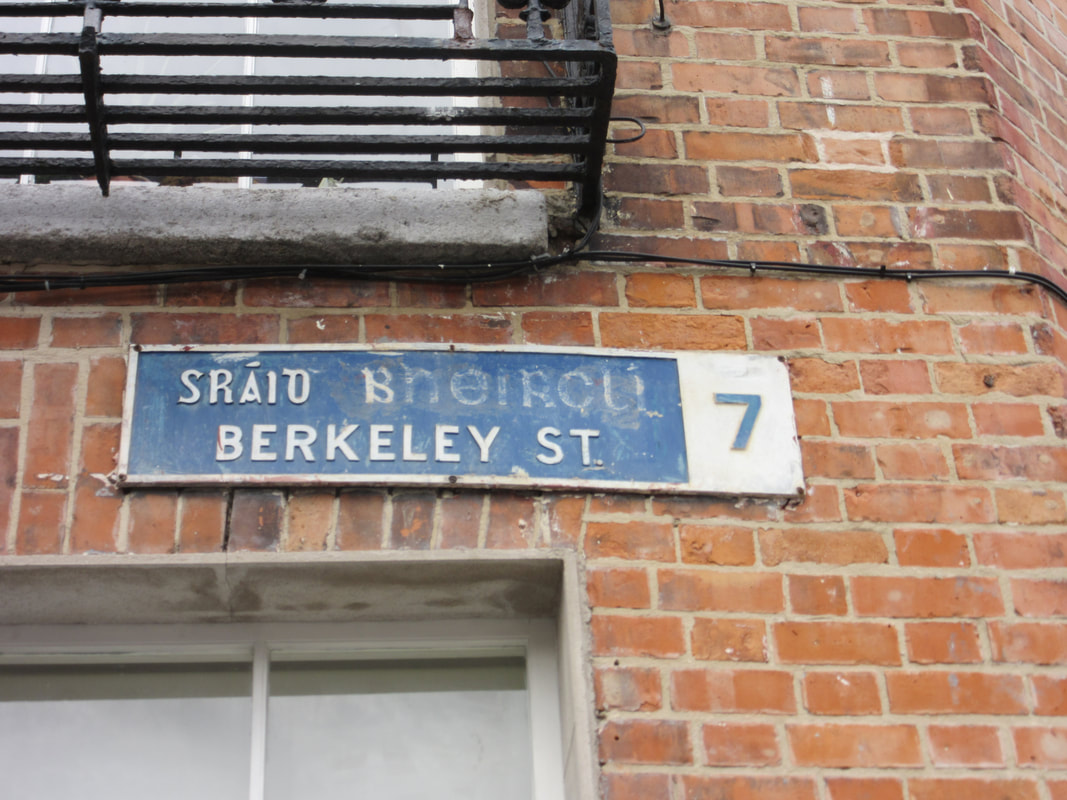
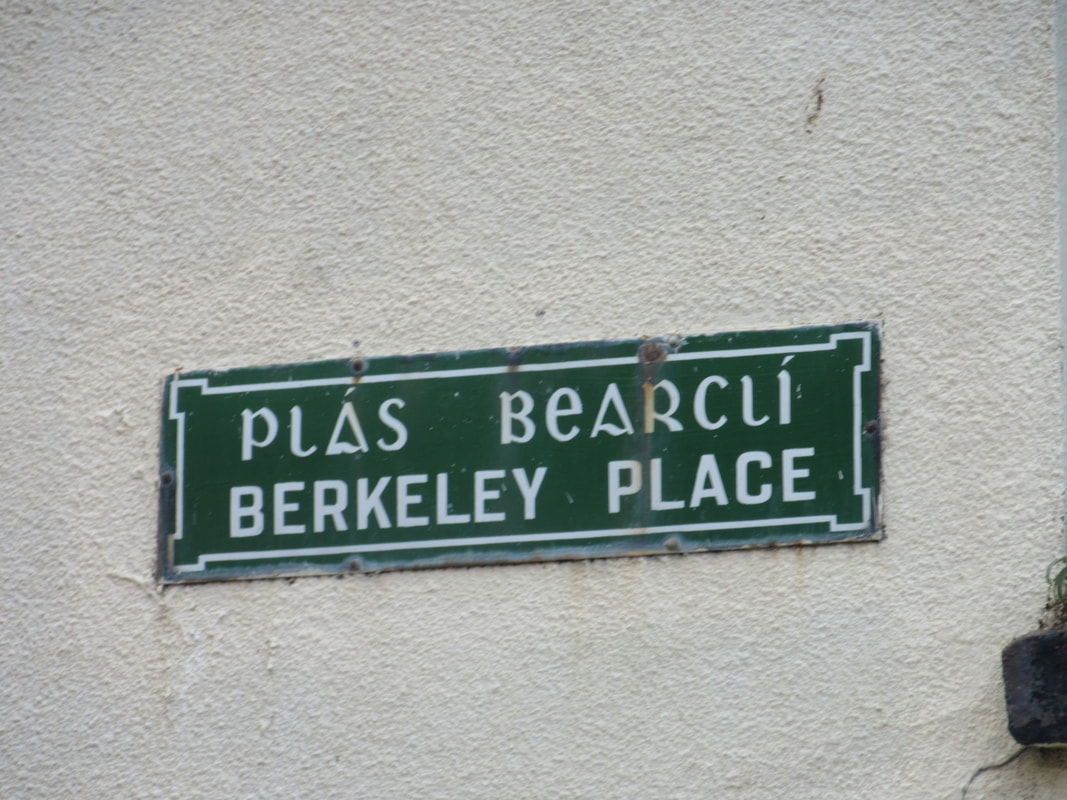
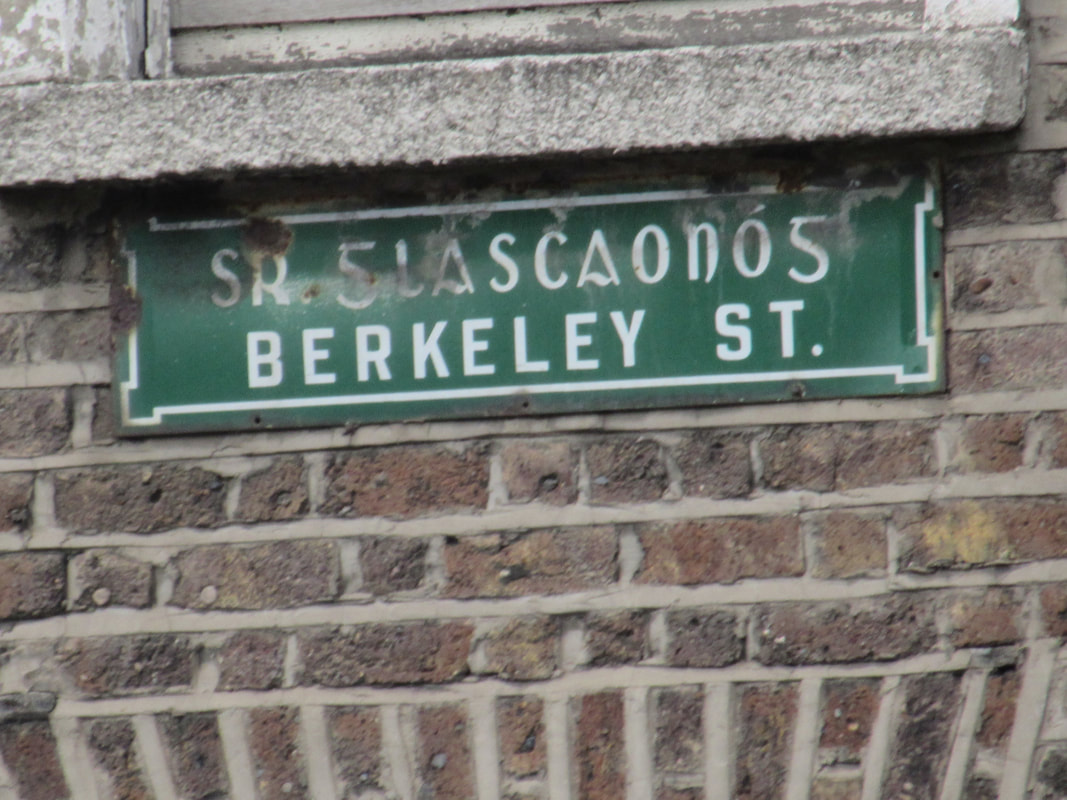
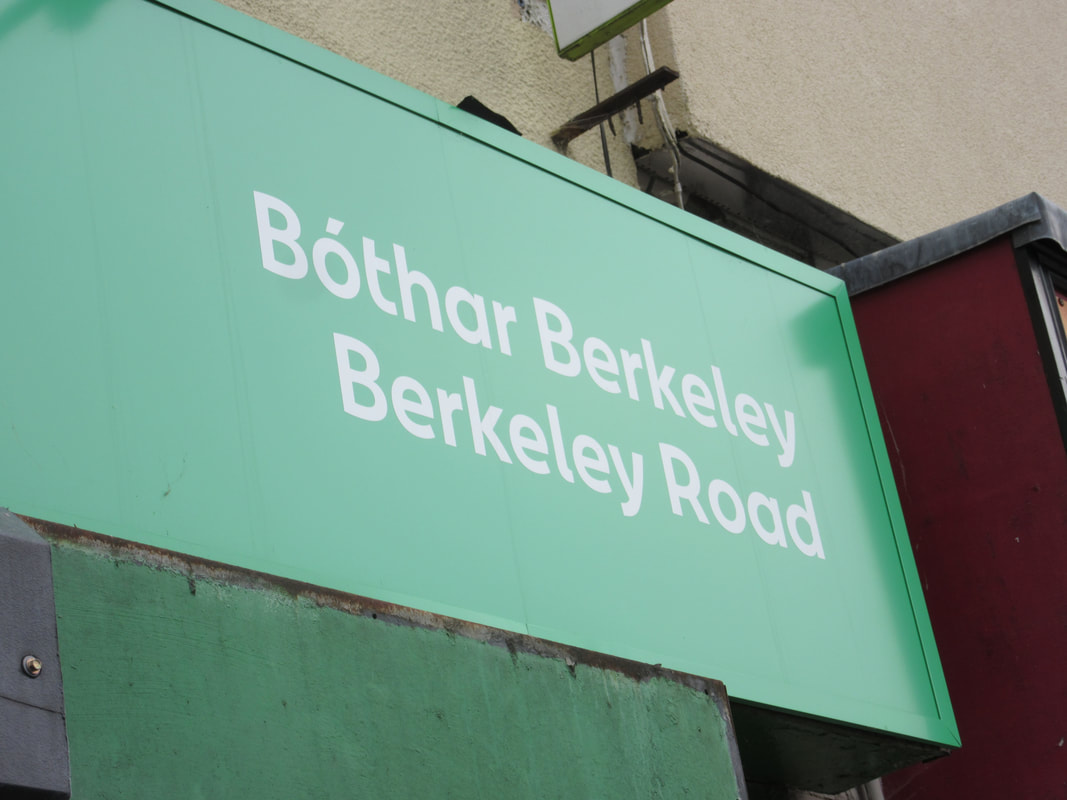
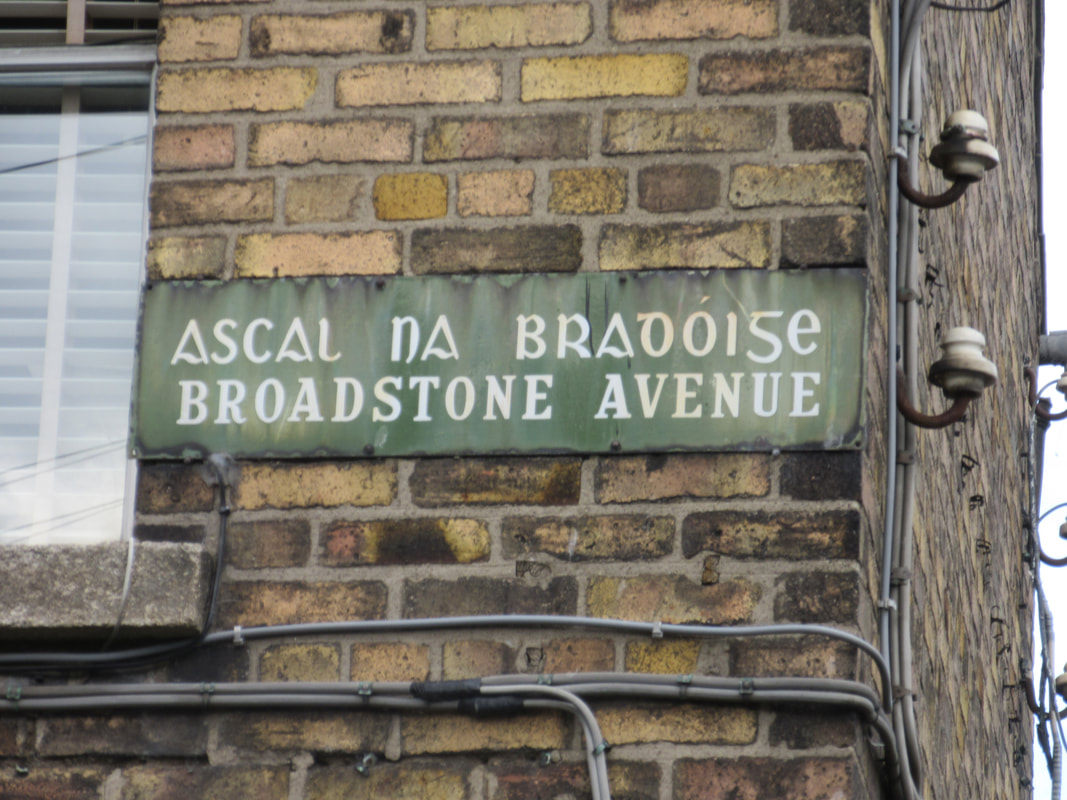
There is a photograph in our kitchen of our then 5 year old in junior infants, having written and coloured a page with two of the three reversible letters in the name reversed (others being symmetrical). I have seen reversed letters in engravings on Old Youghal Road and Liscleary Cemetery. Until my recent walkabout in Phibsboro, I do not think that I had seen an upside down letter – but I definitely have now. I did not spot it immediately. Something just didn’t look right and it took a while to click. On the other side of the building the ‘J’ is correctly aligned. Maybe it is to provoke thought or conversation among those stuck in traffic on the Phibsboro Road…… Or maybe not. Logainm.ie does not translate Berkeley. The word Berkeley stays as Berkeley in Berkeley Avenue; Berkeley Court; Berkeley Place; Berkeley Road; Berkeley Street; and, Berkeley Terrace. Even the townland of Berkeley in Co. Wexford translates as Berkeley. All reasonable consistent and reflective of the trend not to translate names. But there is a ‘HOWEVER’. I cannot find reference to ‘glascaonóg’ in teanglann, pota-focal or my Irish-English dictionary. ‘Gláscaonóg’ provided similar results. If ‘glas’ is considered an adjective meaning green, there was a chance that ‘caonóg’ might be a word in Irish. That chance did not last long. Neither did the chance of ‘caon’ being in the dictionary, if ‘óg’ is a qualifying adjective meaning young. The option of Young Green Something being a translation disappeared quickly. Logainm does have four references to Caonóg which generally translate phoenetically into English. Keenoge in Co.Monahan, does have a note that ‘caonóg’ means ‘a place for bees’. Keenog, also, in Co Monaghan, has ‘mossy place’ as a note for ‘caonóg’. Neither ‘Green Mossy Place’ or ‘Green Place of Bees’ sound perfect answers, but they may well be. So I remain lost, on two counts. What does ‘Glascaonóg’ mean? Why have many signs in Dublin 7 containing the word ‘glascaonóg’ as a translation of Berkeley been painted over? Even Bearclí has been painted over. UPDATE 2019.08.25Very many thanks to Pól Ó Duibhir (Póló), who responded on twitter with a link to SRÁIDAINMNEACHA BHAILE ÁTHA CLIATH which outlines that an old name for the stream Bradóg was Glas Caonóg.
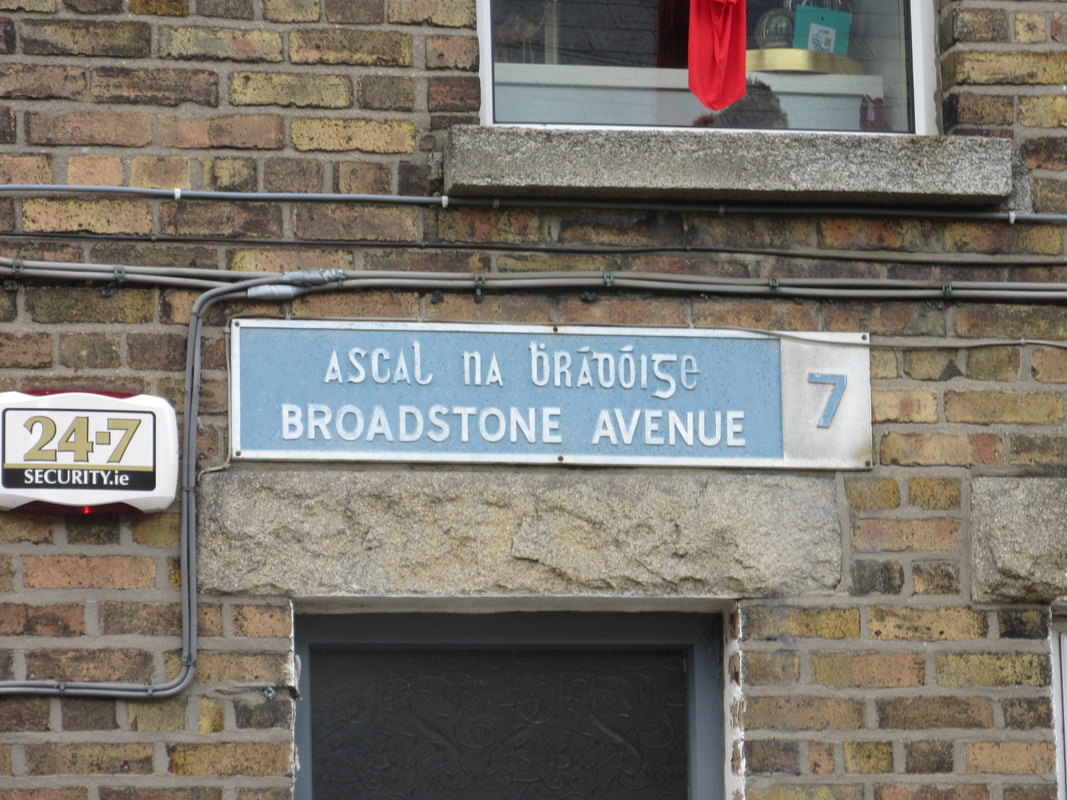
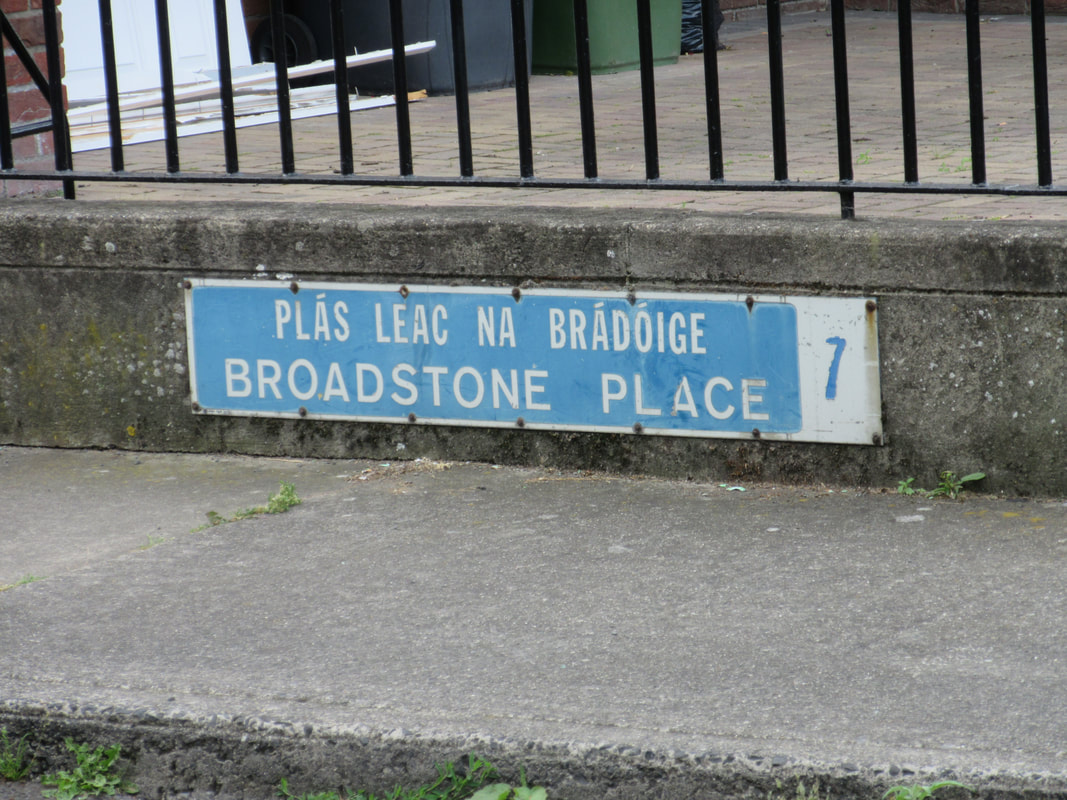
The existence of a stream Bradóg goes some way to explain the Irish name on Broadstone which is nothing like ‘Cloch Leathan’. Last month, we spent a few days in a friends’ house near Phibsboro – the location of a number of my student flats in times past. I took a couple of walks about the place to places known and also on roads not previously travelled.
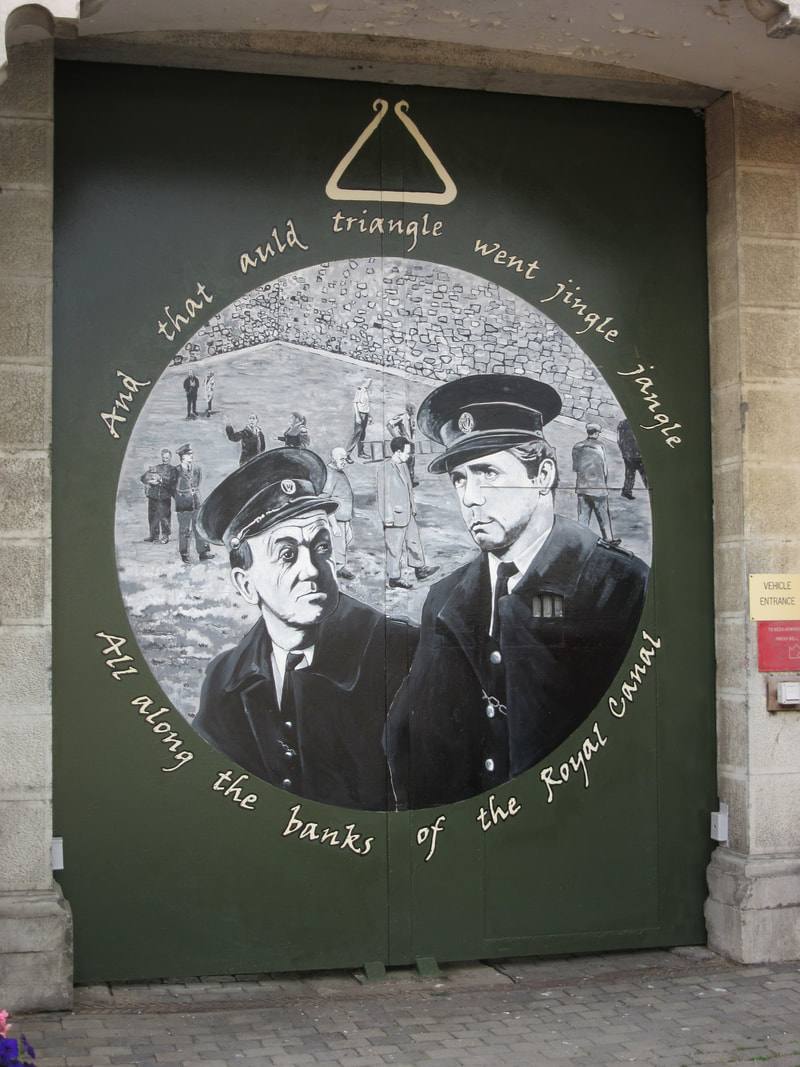
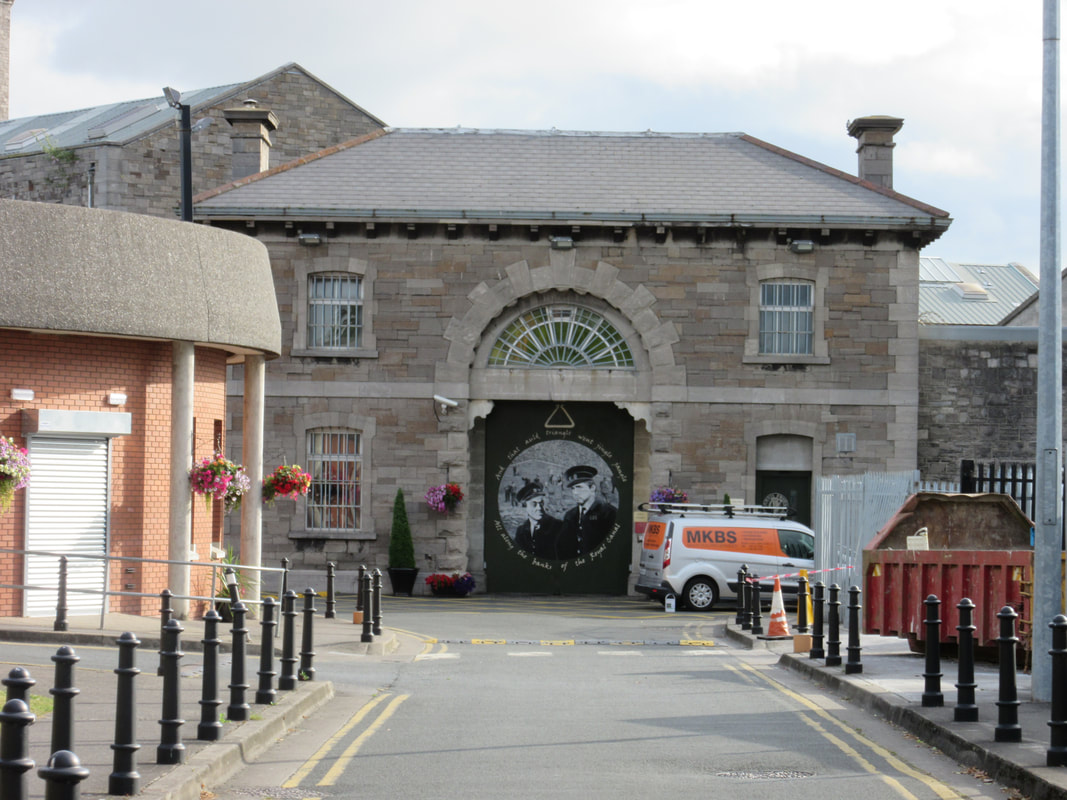
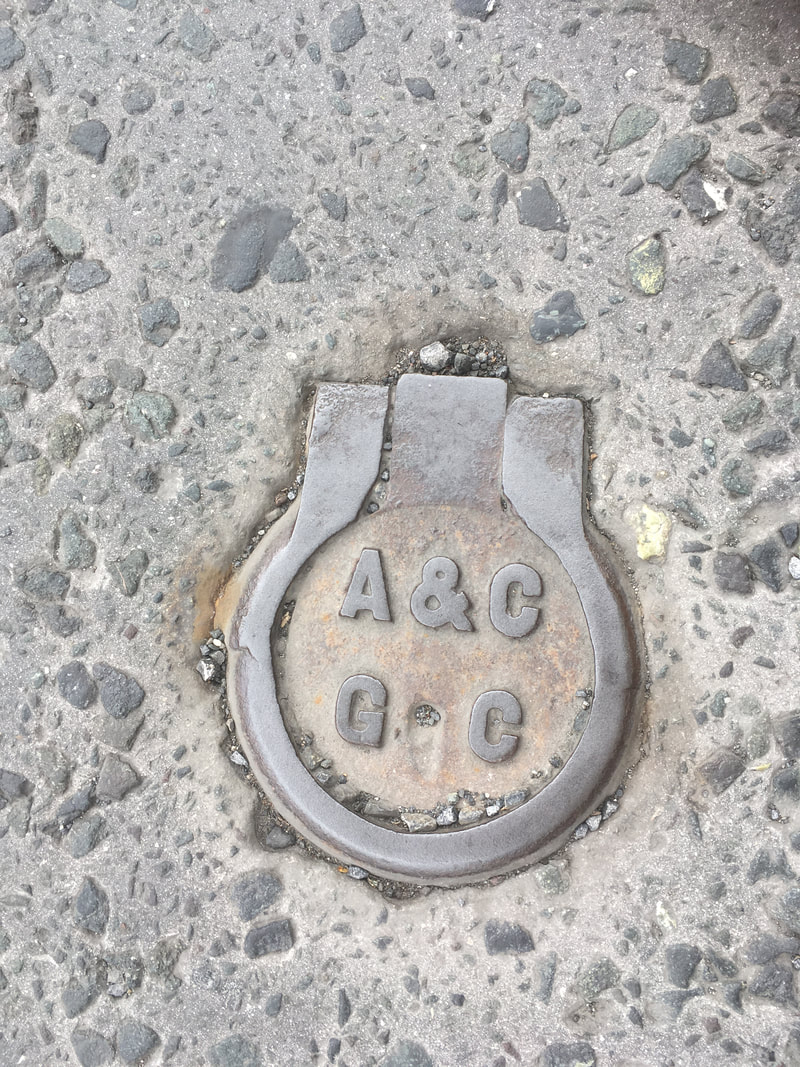
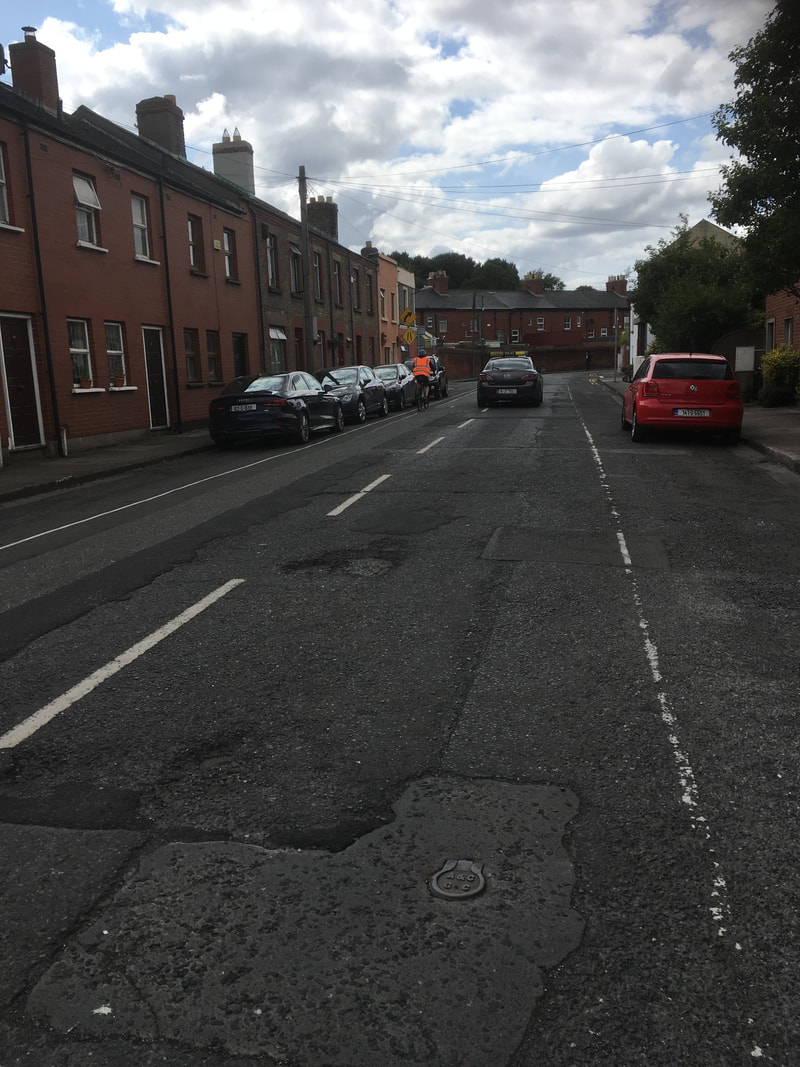
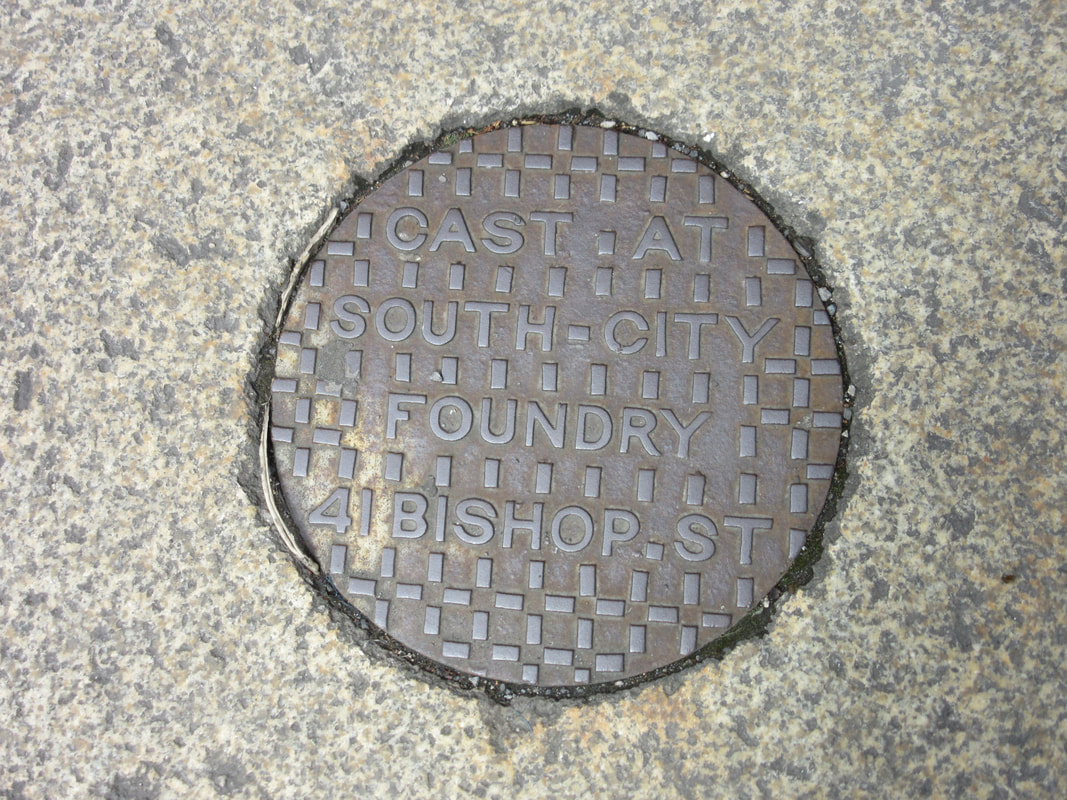
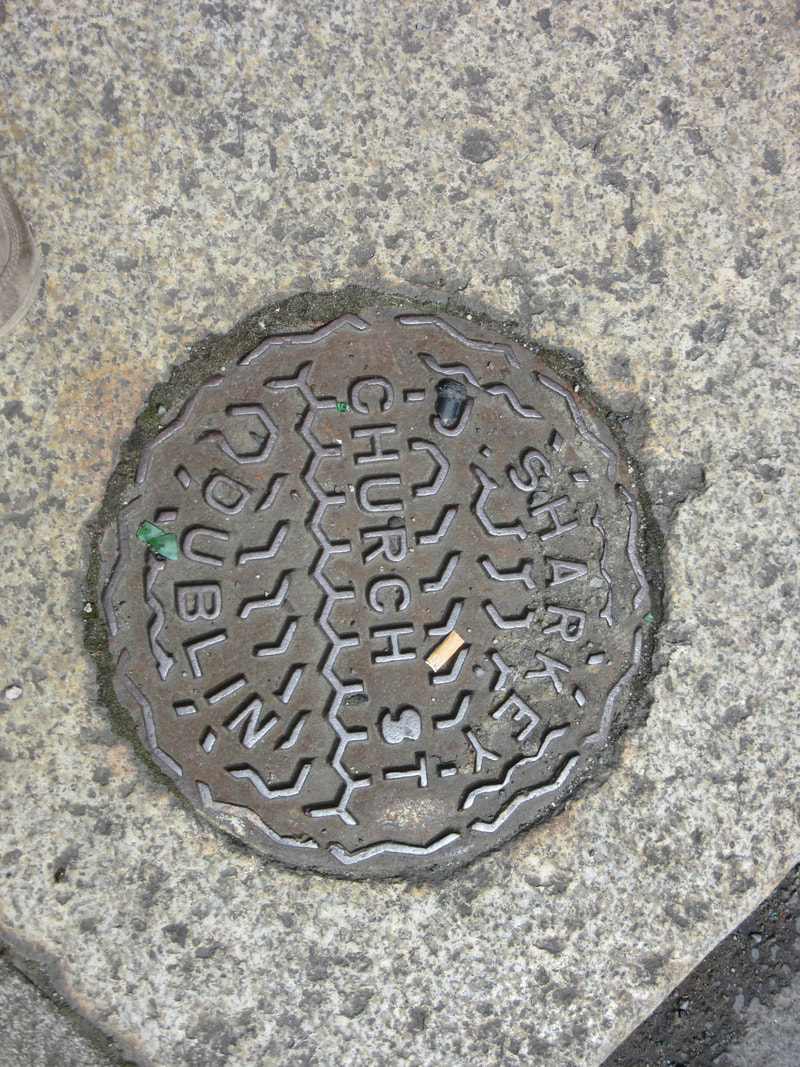
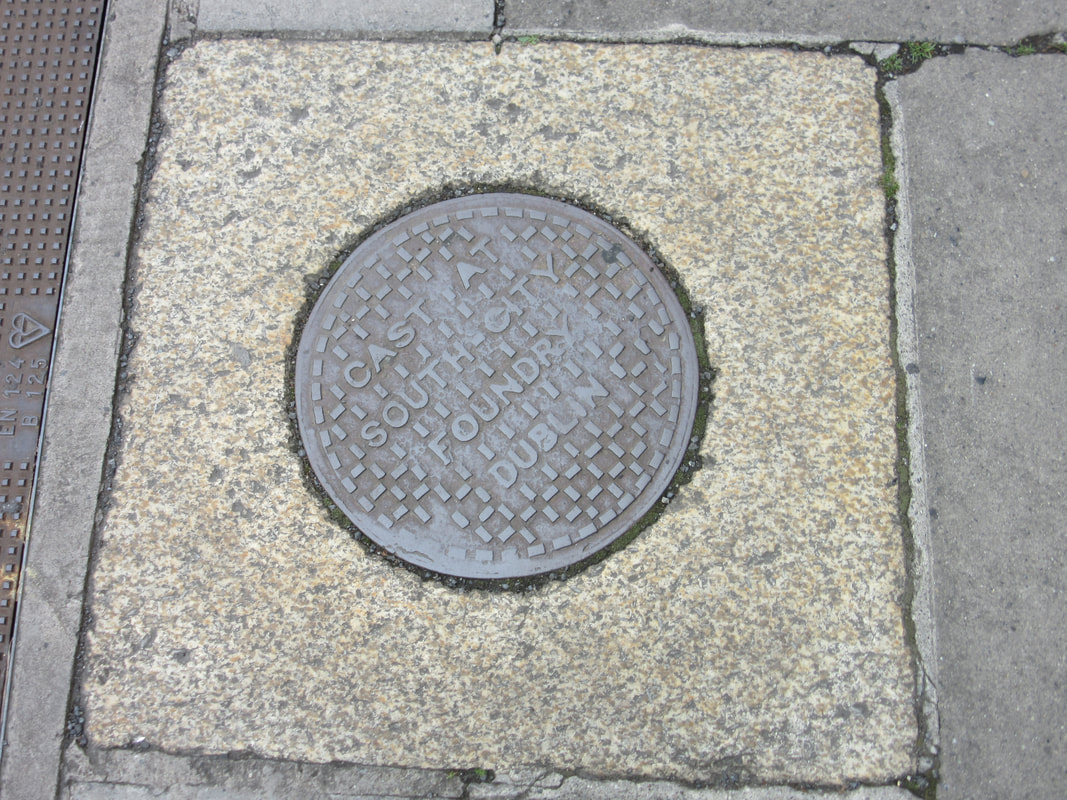
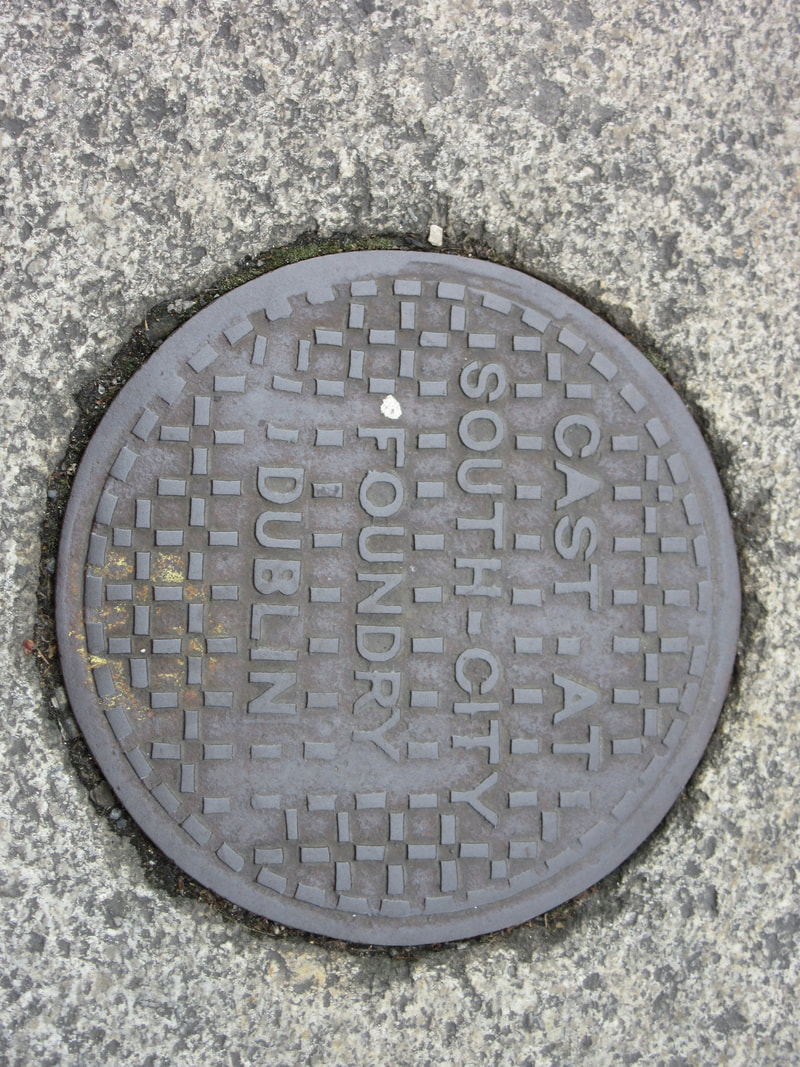
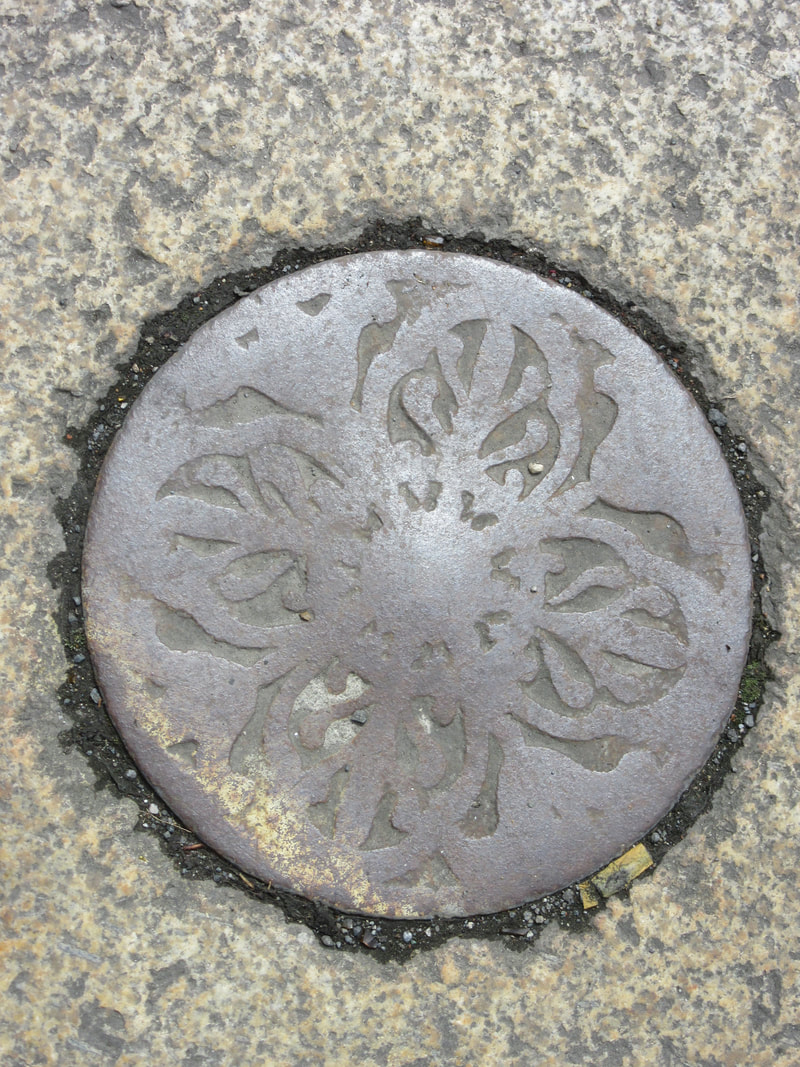
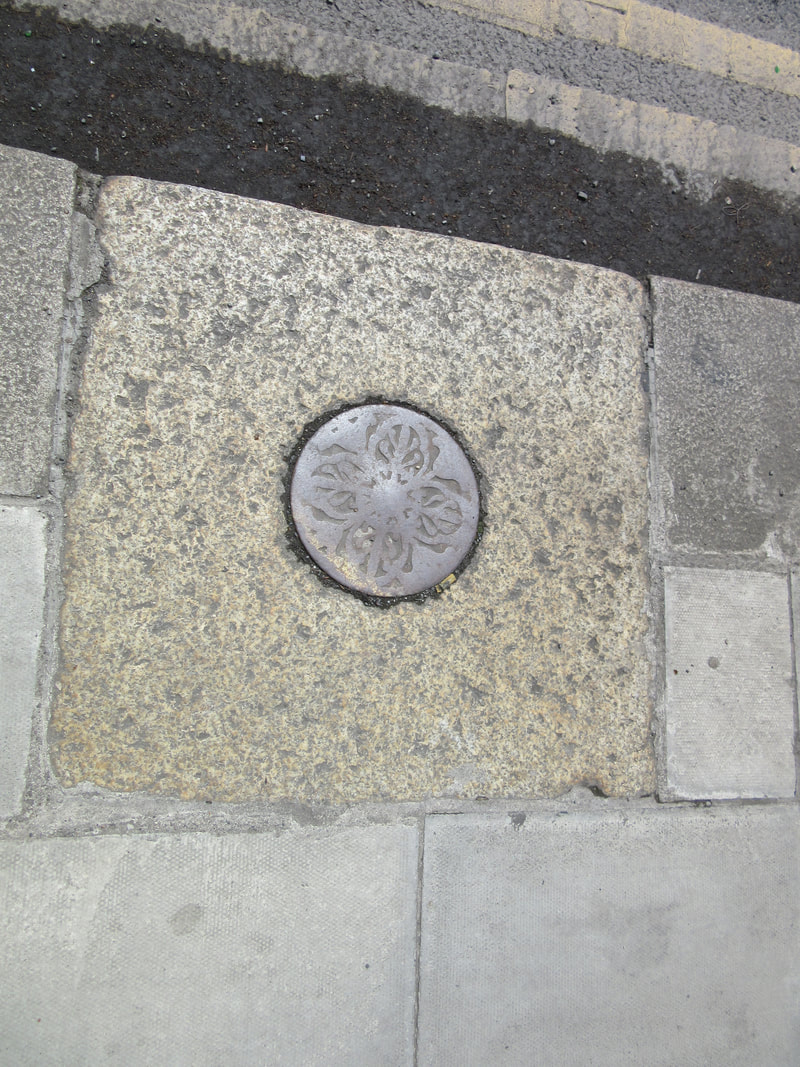
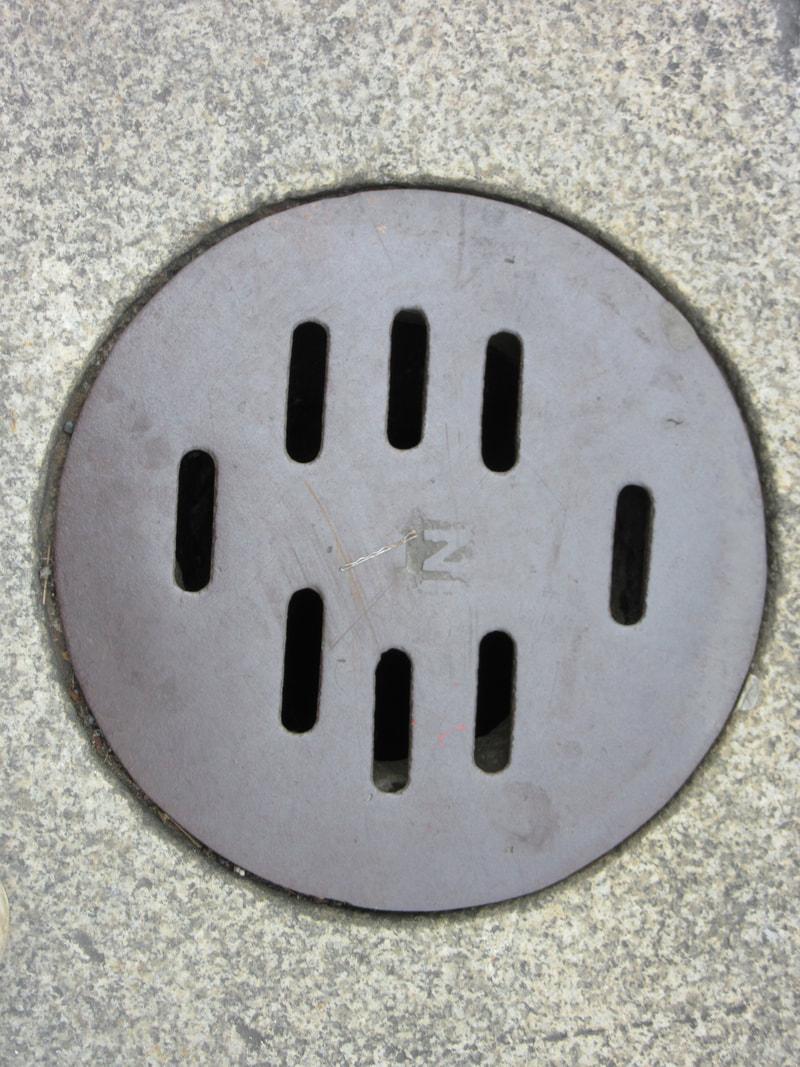
I walked down towards Mountjoy. I have been in three active prisons as well as Cork Gaol and Kilmainham but Mountjoy was the first where there was #StreetArt to welcome visitors on what was the main gate. I left smiling. Without the ampersand, I might have suspected Átha Cliath Gas Company, a bi-lingual possibility for early form of Dublin Gas Company. With the ampersand, I am clueless. And the internet has not provided the answer. Sometimes it is more rewarding when the puzzle beats google and lingers unsolved for a time. This iron cover was spotted a week back on Monck Place in Phibsboro. Inspiration as to meaning still awaited. I am in the process of getting my thousands of photographs catalogued and uploaded.
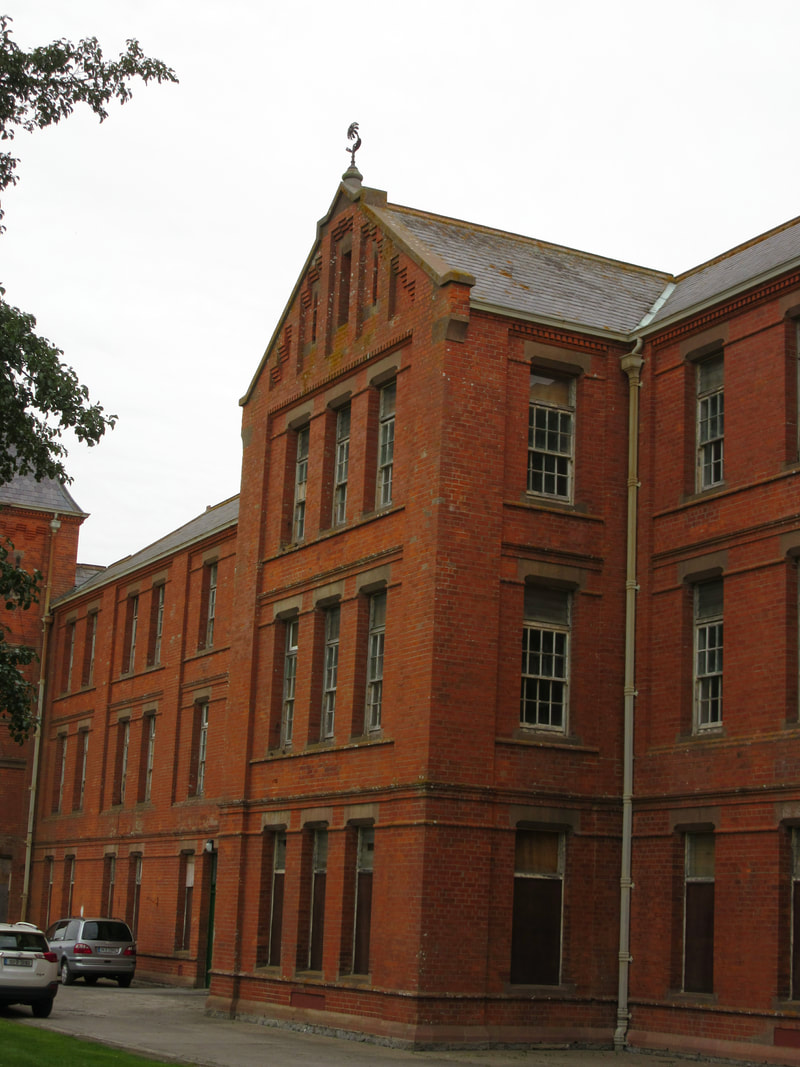
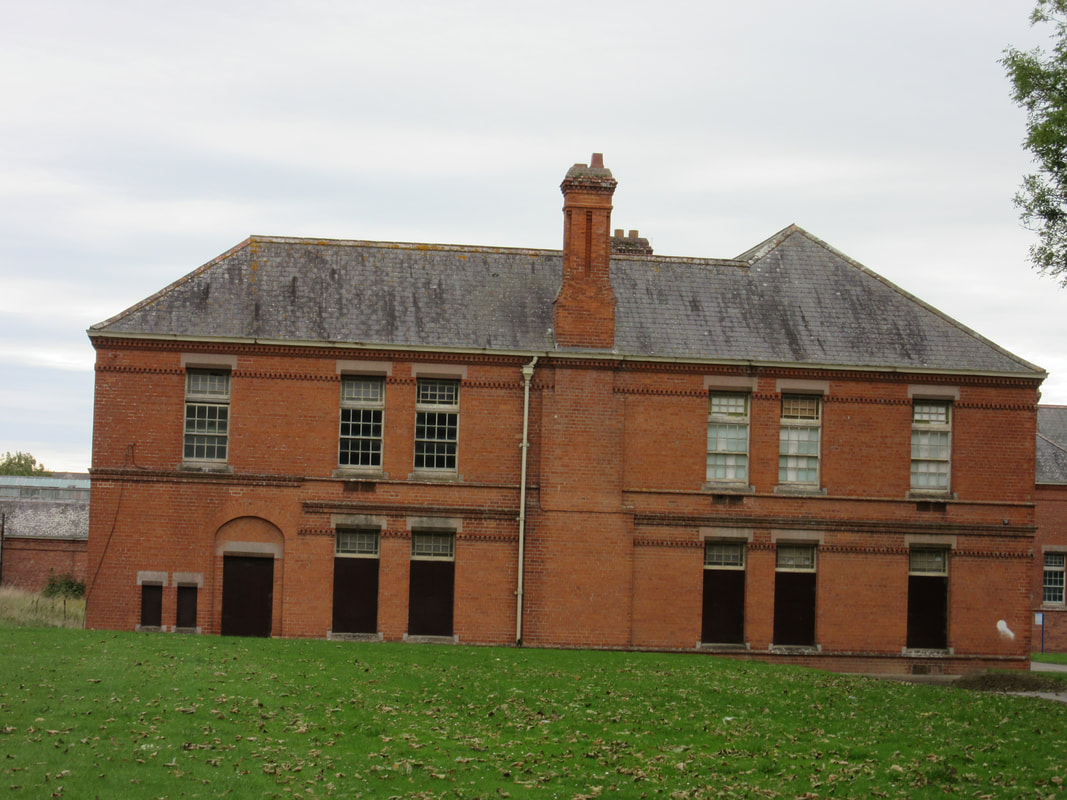
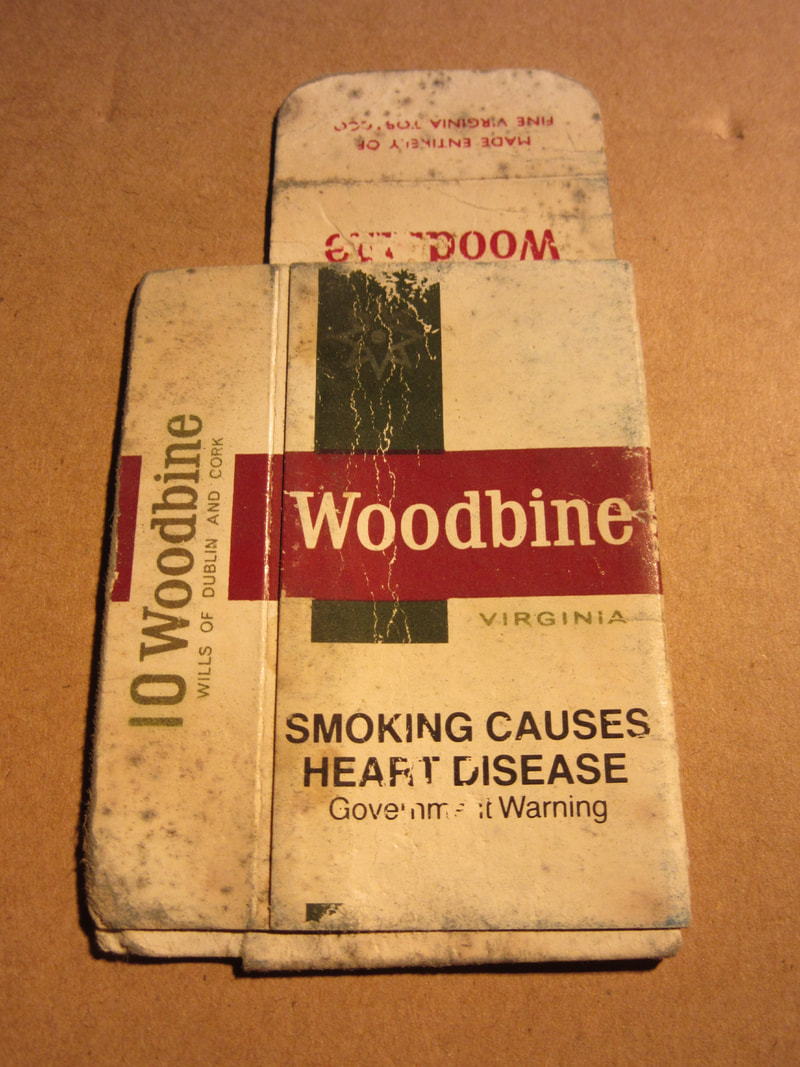
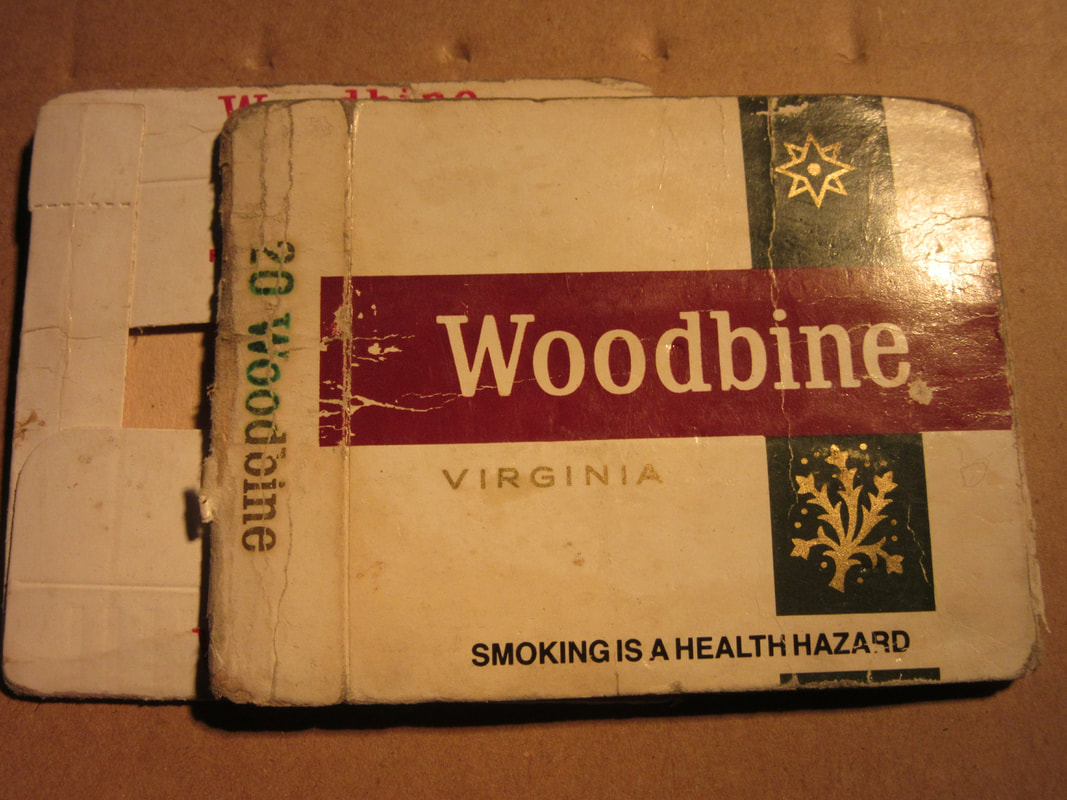
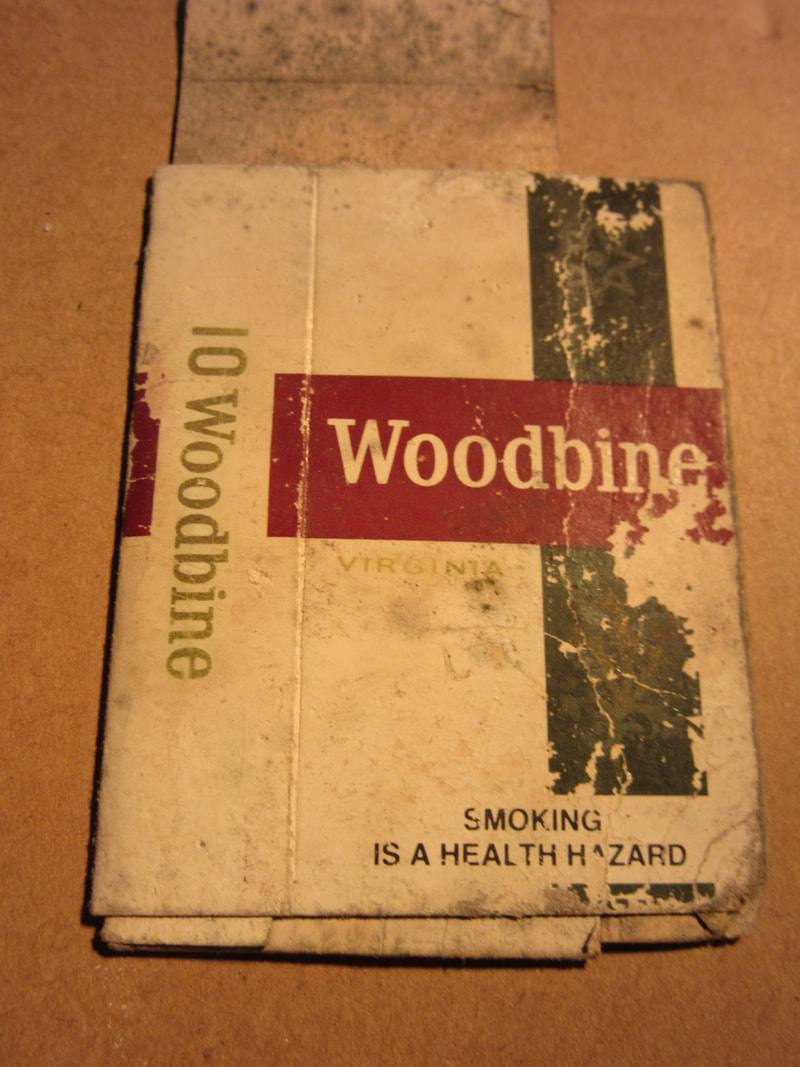
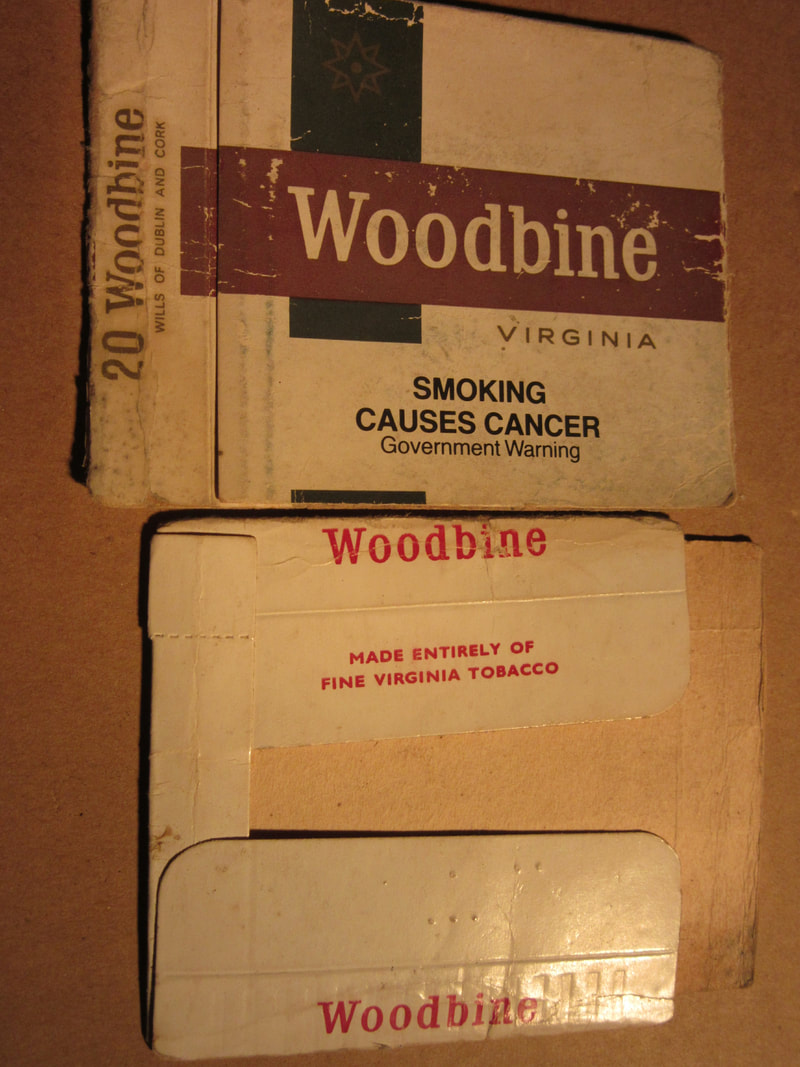
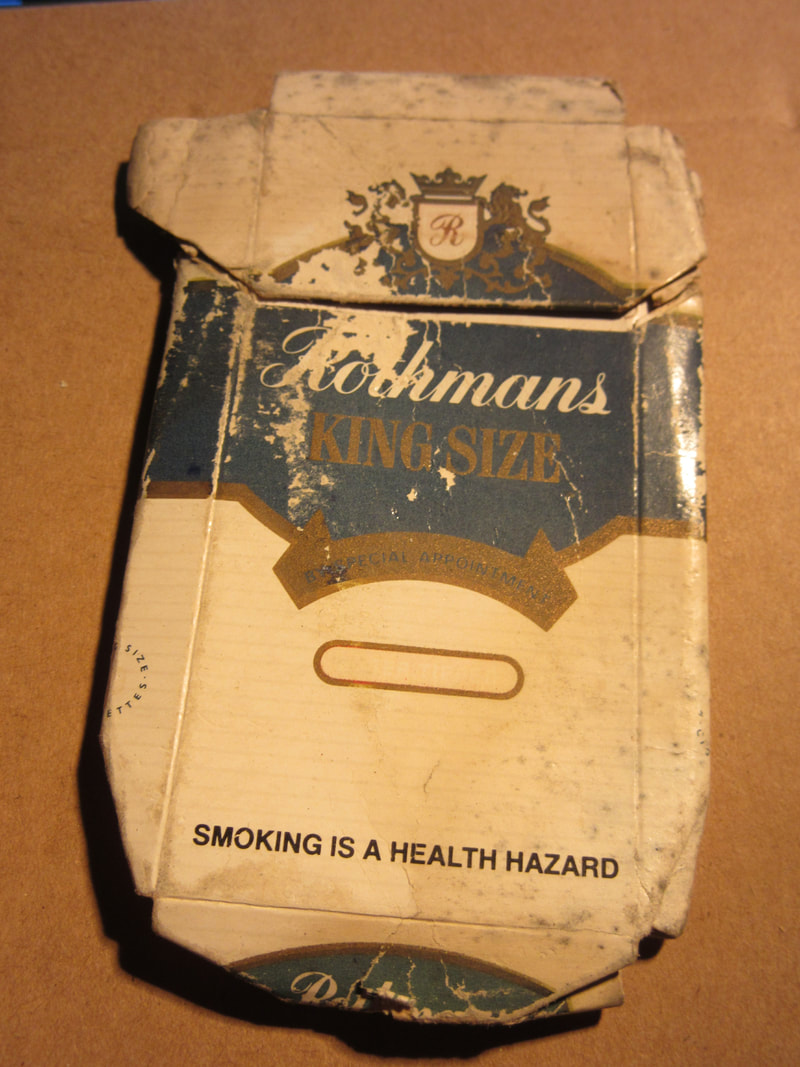
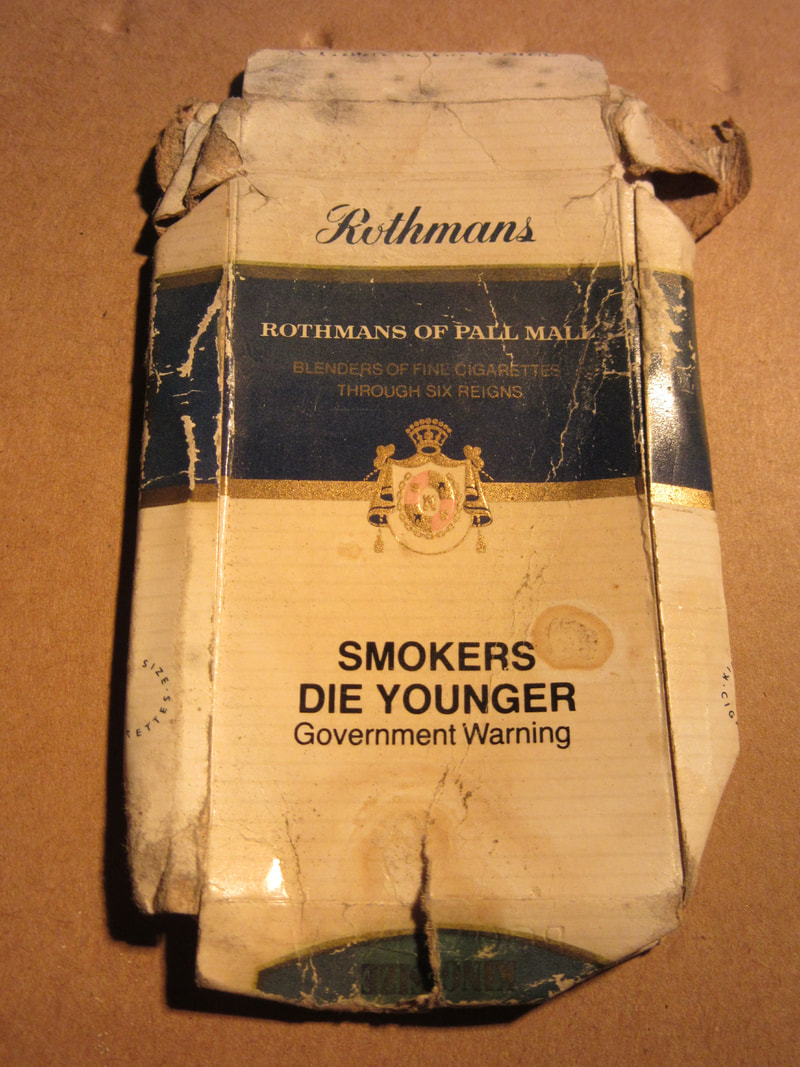
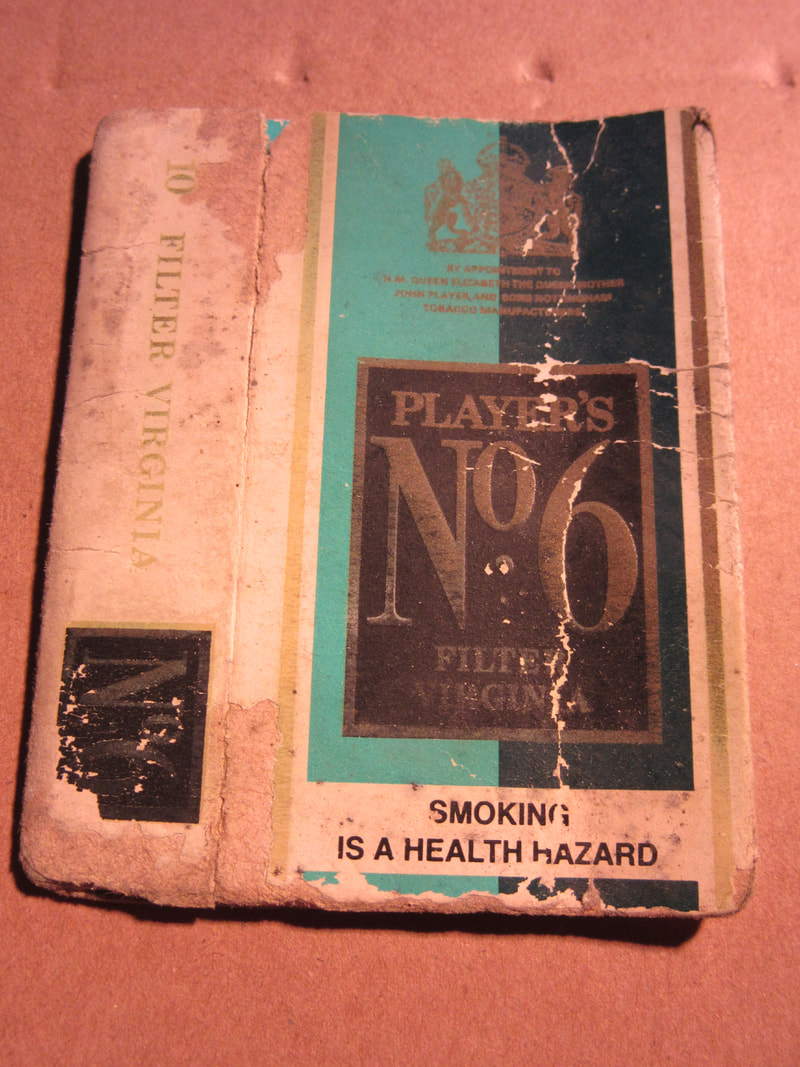
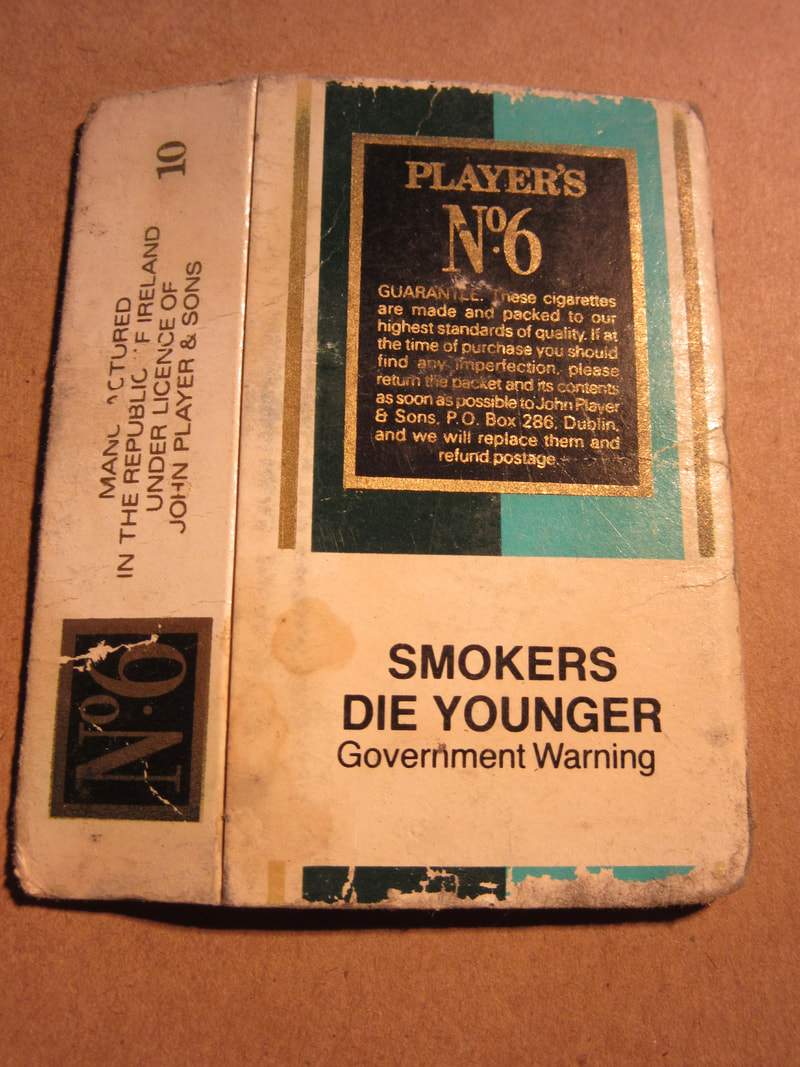
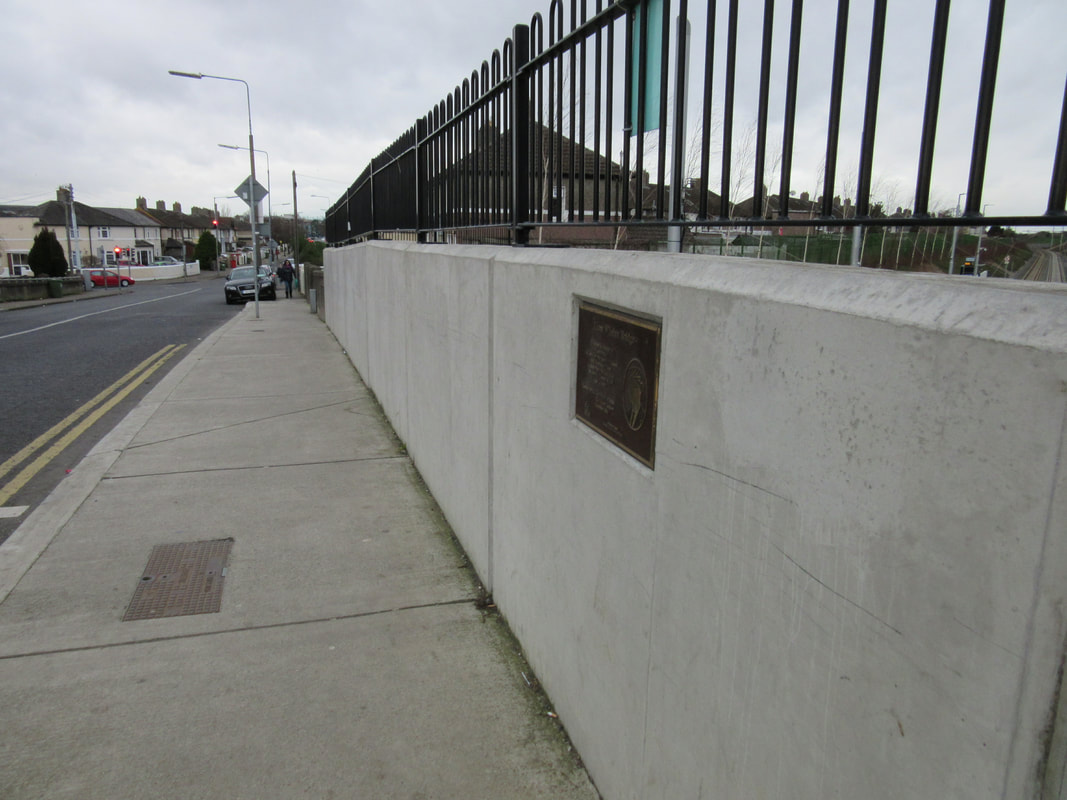
One of the groupings that I am working on is Street Art so I have been going through different photos over the past while. On Tuesday, I spotted a beauty on Connaught Street in Cabra – absolutely lovely. The twitter feed on Tuesday morning revealed that that day, 15th January, was the feast day of St. Ita. That morning, I was to attend a meeting at the St. Ita’s Hospital complex in Portrane, north County Dublin. I have been told that St. Ita’s Hospital complex is that largest land bank owned by the H.S.E. in the state. Having been there a few times, that does not surprise. I have been in Portrane over the past few years for meetings but the co-incidence of the feast date did resonate a bit and it rattled around my grey matter as a distraction. The first time, I visited was three or four years ago. The building we were to work on had been vacated and partially cleared out. I spent a couple of hours, alone, walking around a large empty three storey former mental hospital making notes and getting to know the building. The only company were a few startled pigeons. Whether they were more startled than me, I am not sure The closing of doors behind me did sound louder than normal. My ears were alert to any noise. I was glad to return the keys to the maintenance crew and hit the road for home. But I was luckier than the Architect. He carried out his initial inspection on a different day but was locked in with the message to give a call when ready to leave. This was an early lesson in the quality of mobile reception. The last person spotted knocking on the windows trying to get out was not a patient, but an Architect who spent two hours longer than intended with some remnants of the previous use to keep him company. I never asked if he took any mementoes from his trip. I did. The final clean out had not yet happened so I pocketed some old cigarette packets that lay on the floor. A reminder of the days when there was more than health warnings on the pack. Driving home on Tuesday, I detoured through Phibsboro and Cabra. I decided to stop and photograph the replacement Liam Whelan Bridge – the plaque has been repositioned in the new concrete structure.
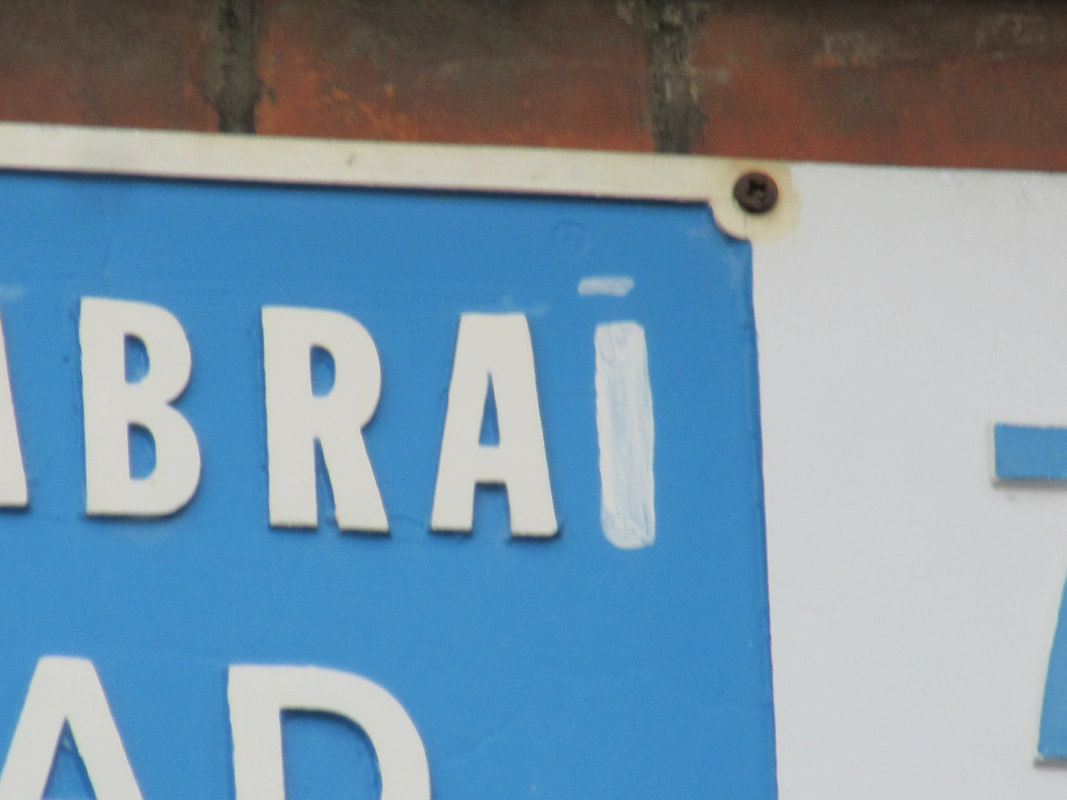
Turning back to the car, I noticed an old Players No. 6 ghostsign on the end wall of the building on Connaught St. Players No. 6 was one of the boxes that I salvaged from St. Ita’s. Too many co-incidences not to warrant a blog post. Thirty three years ago, our student accommodation comprised the top half of a terraced house on the New Cabra Road. My lasting memory is of how cold it was and of three of us using an opened out sleeping-bag for warmth on the couch watching television. Yesterday, I parked very close to the old flat and was struck by the streetsigns – something that I never pondered in those student days. I was first struck by the font – the ‘C’ in Cabra looked bigger than the other letters.
Then the other letters did not look as if they had been lined up correctly – the ‘R’ in ‘BÓTHAR’ and the first ‘A’ in ‘CABRAÍ’ Only then did I spot that the ‘Í’ at the end of ‘CABRAÍ’ was a painted addition – similar to Sidney Park and Cahercalla. Logainm does suggest that ‘CABRAÍ’ is correct but the answers as to who and when the amendments were carried out is possibly a matter of local knowledge and a need-to-know basis. I have contributed a number of details of field and placenames to Meitheal Logainm – a crowd sourcing of names/nicknames of fields, crossroads and other features around the country. Having spoken with a few older farmers, every field had a name, or even a number of names, but many names were lost with the selling of farms. My brother-in-law’s father worked with Irish Sugar and told of a book that he had that he used when visiting farmers every year as to which fields would be given over to beet that year – the high field, Murphy’s acres…….
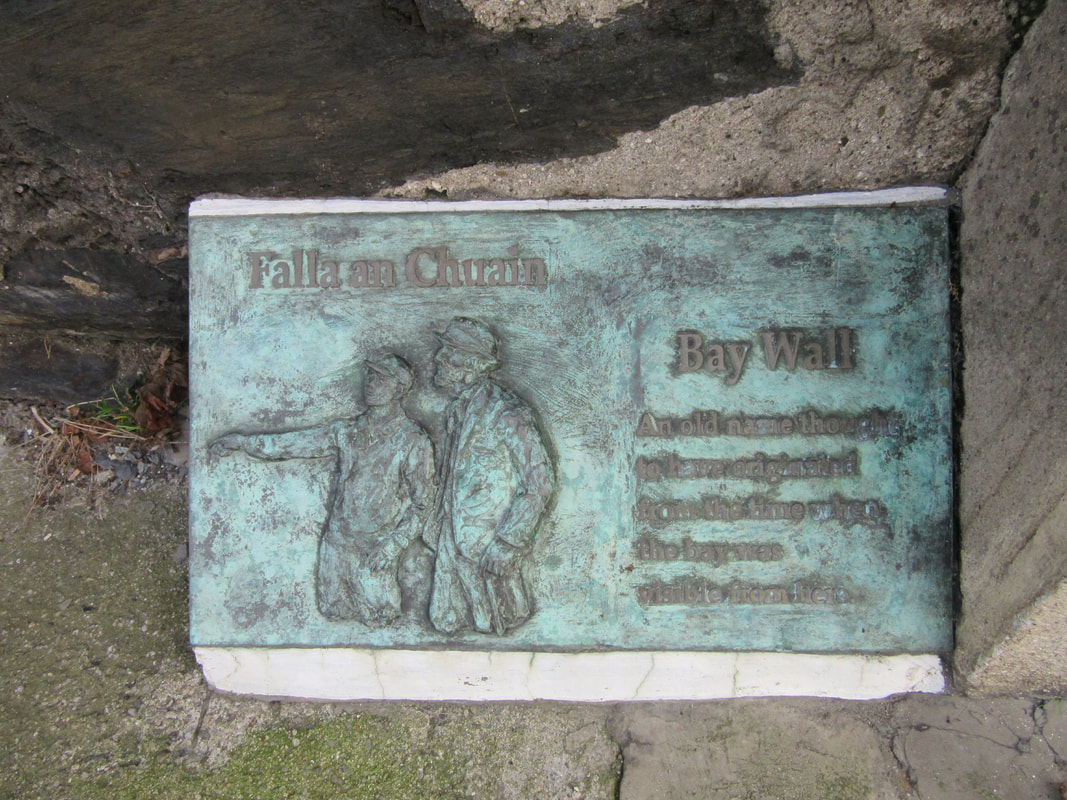
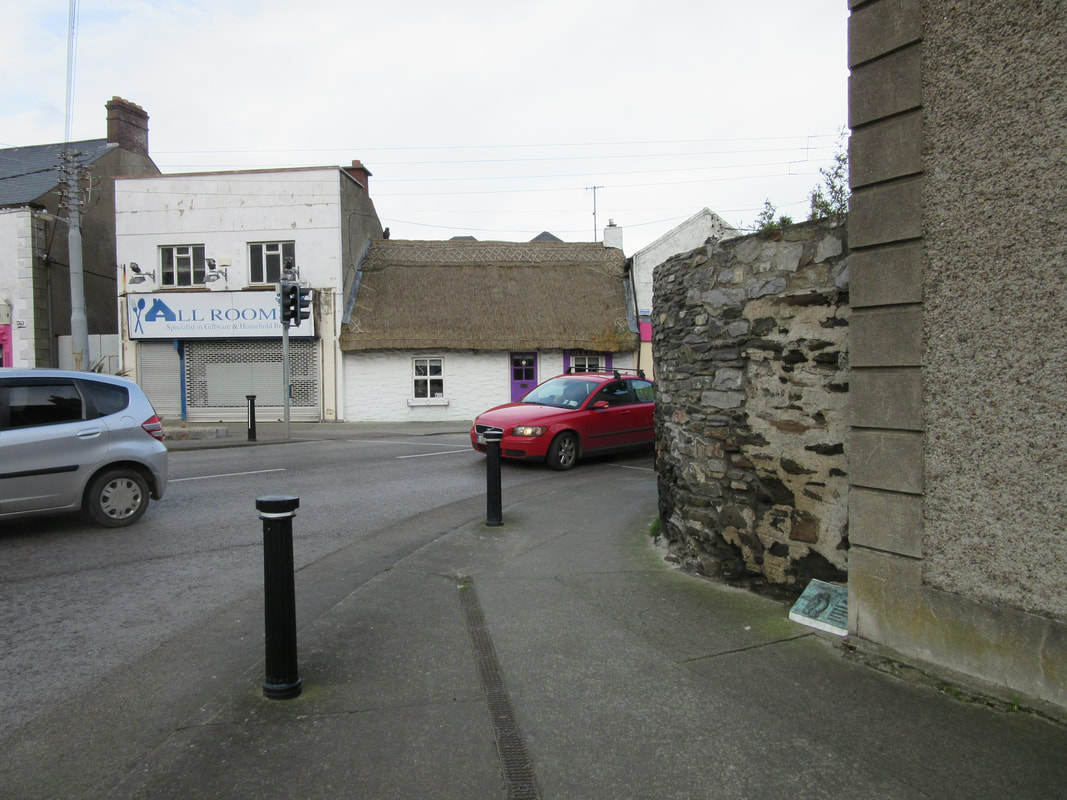
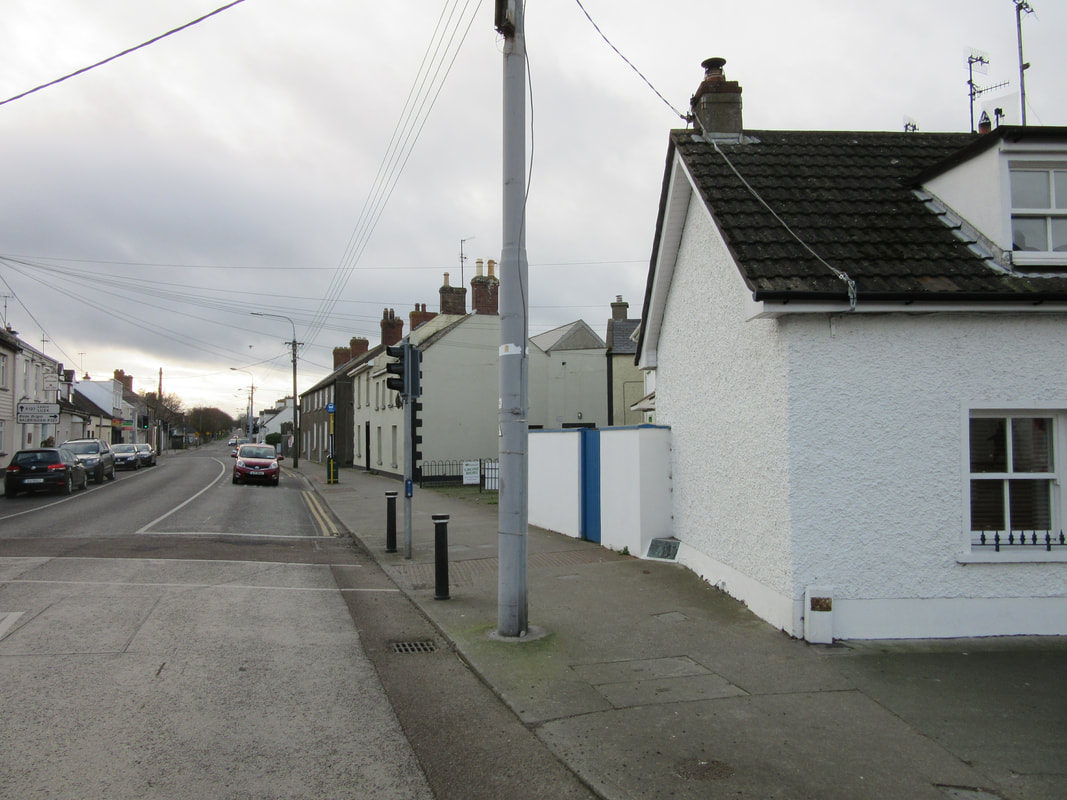
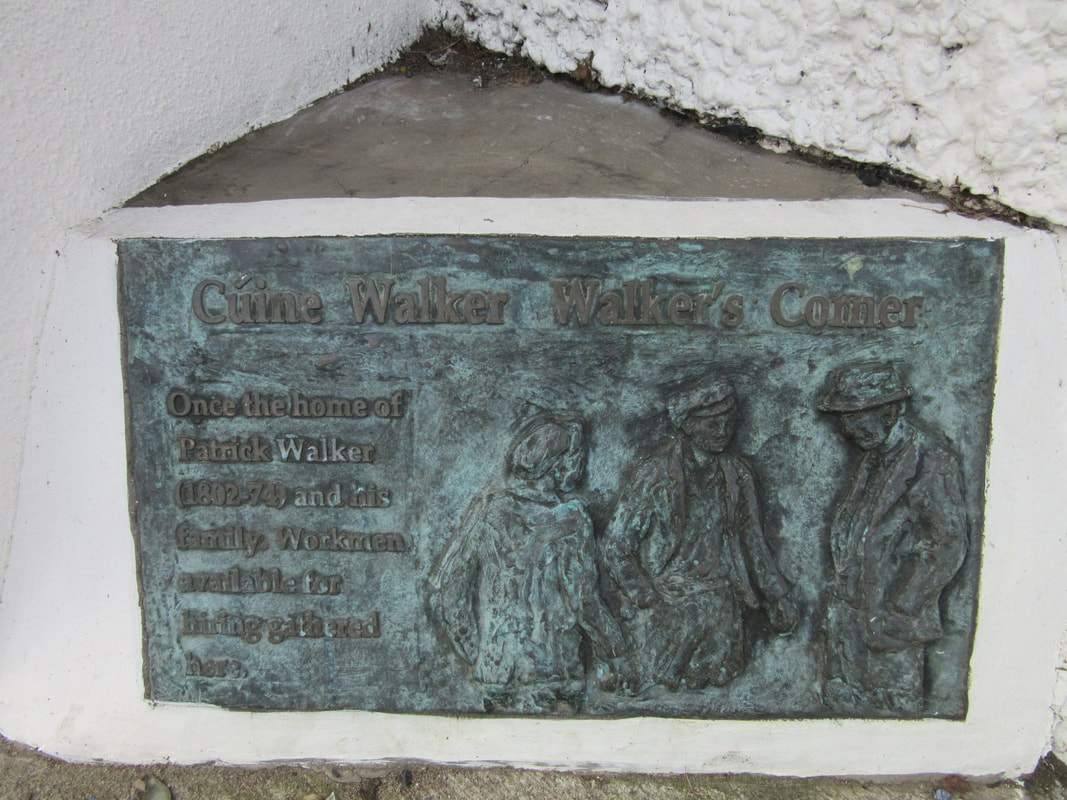
That book contained the names of very many fields. It was left behind him when he retired and he suspects that it was subsequently consigned to a skip – so much history and lore, lost. Staying in Skerries overnight, I was delighted to spot that they have plaques erected to record the old names of corners – I only spotted two, my next visit will demand a more extensive walkabout for any more. |
AuthorFrom Cork. SUBSCRIBE
Unless otherwise specifically stated, all photographs and text are the property of www.readingthesigns.weebly.com - such work is licenced under a Creative Commons Attribution - ShareAlike 4.0 International Licence
Archives
May 2026
Categories
All
Blogs I Read & LinksThought & Comment
Head Rambles For the Fainthearted Bock The Robber Póló Rogha Gabriel Patrick Comerford Sentence First Felicity Hayes-McCoy 140 characters is usually enough Johnny Fallon Sunny Spells That’s How The Light Gets In See That Tea and a Peach Buildings & Things Past Built Dublin Come Here To Me Holy Well vox hiberionacum Pilgrimage in Medieval Ireland Liminal Entwinings 53degrees Ciara Meehan The Irish Aesthete Líníocht Ireland in History Day By Day Archiseek Buildings of Ireland Irish War Memorials ReYndr Abandoned Ireland The Standing Stone Time Travel Ireland Stair na hÉireann Myles Dungan Archaeouplands Wide & Convenient Streets The Irish Story Enda O’Flaherty Cork Archive Magazine Our City, Our Town West Cork History Cork’s War of Independence Cork Historical Records Rebel Cork’s Fighting Story 40 Shades of Life in Cork Roaringwater Journal |